
close
Choose Your Site
Global
Social Media
Views: 0 Author: Site Editor Publish Time: 2026-07-03 Origin: Site


Navigating the complex world of personal and ambient scents often feels confusing. You constantly hear conflicting information about the supposed toxicity of synthetic scents versus natural botanical extracts. This ongoing debate creates a massive headache for modern product creators and mindful consumers alike. Formulators and makers need absolute certainty to protect their buyers. You must ensure your items remain completely safe for end-users without sacrificing scent throw, stability, or your overall formulation budget.
Solving this challenge requires moving past clever marketing language. We will break down exactly how to evaluate scent safety properly using established scientific benchmarks. You will learn to navigate complex safety documents, understand specific usage categories, and identify trustworthy suppliers. The true safety of a fragrance oil relies heavily on strict regulatory compliance, accurate usage rates, and transparent supplier documentation, rather than a simple "natural" or "synthetic" label.
"Safe" is a conditional term: A fragrance oil's safety depends entirely on its specific application (e.g., skin contact vs. ambient diffusion) and adherence to Maximum Usage Rates.
IFRA (International Fragrance Association) certification and accessible Safety Data Sheets (SDS) are non-negotiable baselines for evaluating supplier credibility.
"Phthalate-free" and "Prop 65 compliant" are key indicators of modern, health-conscious fragrance formulations.
Even premium oils require proper ventilation and dilution, especially in households with pets or infants.
Many consumers assume natural botanical extracts remain perfectly harmless. Conversely, they label all synthetic laboratory ingredients as dangerous toxins. This black-and-white thinking creates a massive and dangerous fallacy. Nature produces plenty of harmful substances. For example, highly concentrated natural essential oils can prove extremely toxic to pets. Lemon and orange extracts contain high levels of limonene. Limonene frequently causes severe contact dermatitis when applied directly to human skin. Synthetics are not inherently bad or unsafe.
High-quality modern oils blend nature-identical compounds, natural extracts, and rigorously tested synthetics. This specific combination guarantees long-term olfactory stability. It also allows chemists to actively remove known natural allergens from the mixture. Synthesizing scent molecules provides exact control over the entire chemical profile. Formulators can isolate the exact notes they want while leaving the irritating components behind. This scientific approach creates a much safer end product for daily human exposure.
Legacy formulations often relied heavily on ingredients like phthalates and parabens. Phthalates acted as cheap, effective solvents to make scents linger longer in the air. Parabens served as robust preservatives to prevent unwanted bacterial growth in water-based formulas. However, modern safety evaluations now demand phthalate-free alternatives due to changing health guidelines. You should always look for these cleaner, updated options. Reliable manufacturers have fully phased out these outdated solvents in favor of safer, highly tested alternatives.
Safety is never a simple guessing game. It requires rigorous, standardized testing. You must learn to rely on formal documentation to verify the purity of your supplies. The International Fragrance Association (IFRA) sets the definitive global standard for the industry. They evaluate raw ingredients against strict dermal sensitization thresholds. They also test thoroughly for systemic toxicity risks. You must request a current IFRA certificate from your supplier before purchasing any liquid. This critical document proves the ingredients pass modern scientific scrutiny. The IFRA regularly updates these standards. You must ensure your paperwork reflects the most recent regulatory amendment.
Safety Data Sheets (SDS) provide detailed handling instructions. These are legally required documents. You must know how to read them correctly to protect yourself and your workspace.
SDS Section | Key Focus for Formulators | Why You Need It |
|---|---|---|
Hazard Identification | Pinpoints specific health or environmental risks. | Helps you design proper workspace ventilation protocols. |
Flash Point | Identifies the exact temperature where vapors can ignite. | Crucial for safe heating during the wax pouring process. |
Handling & Storage | Outlines safe temperature ranges and overall shelf life. | Prevents chemical degradation of your costly inventory. |
Toxicological Information | Details exposure routes like inhalation or skin contact. | Guides your required personal protective equipment choices. |
You will likely encounter California Proposition 65 warnings during your sourcing journey. Prop 65 creates immense anxiety for many new buyers. The Safe Drinking Water and Toxic Enforcement Act requires businesses to provide warnings about significant exposures to certain chemicals. You must evaluate whether the warning indicates a genuine health risk for your intended product. Sometimes, it merely serves as a strict regulatory catch-all for trace elements occurring naturally in botanical ingredients. Focus heavily on actual dosage rates and the specific application method.
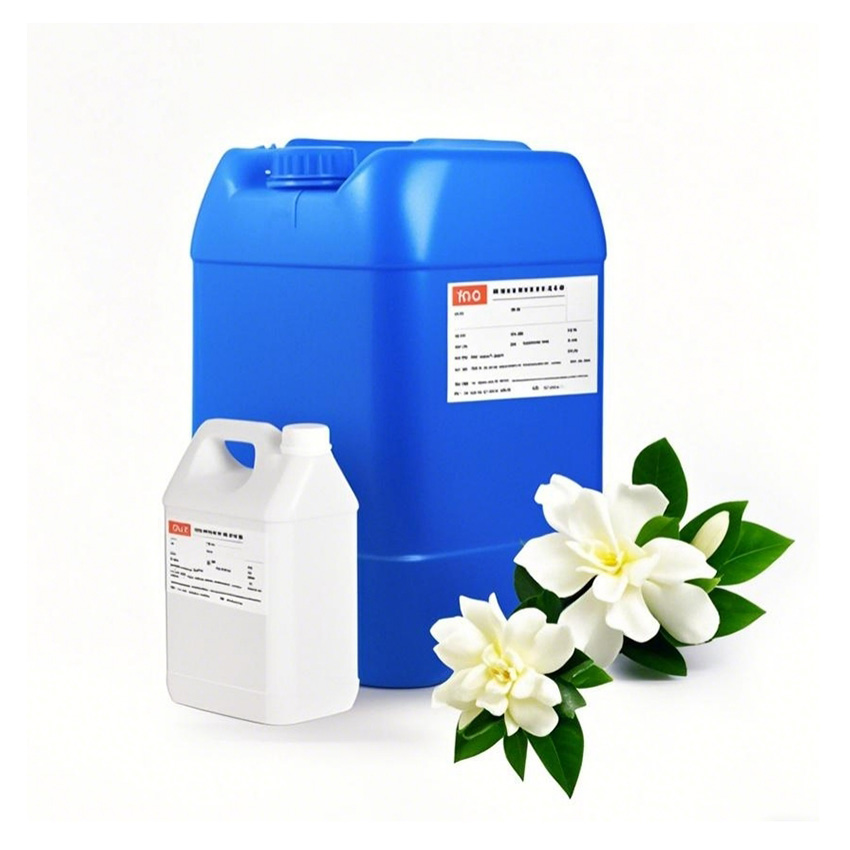
Safety changes drastically based on the final product format. A formulation meant to scent the air behaves very differently upon human skin. You must carefully check the specific IFRA categories for your exact project. Ignoring these categories often leads to severe skin irritation or poor product performance.
Category 12 (Ambient): This covers items never intended for direct skin contact. It encompasses air fresheners, solid wax melts, and liquid reed diffusers.
Category 5A and Category 9 (Skin-Safe): These categories cover various wash-off and leave-on products. Examples include body lotions, bar soaps, and foaming bath bombs.
Combustion alters chemical compounds significantly. Burn safety remains a top priority in wax formulations. When formulating an aromatherapy candle, you must carefully align the liquid flashpoint alongside your chosen wax type. Heating the mixture past its documented flashpoint causes the scent profile to degrade instantly. It can also produce unwanted black soot or release harmful smoke into the room. Always use a reliable digital thermometer during production.
We must also discuss the Maximum Usage Rate (MUR). Every approved ingredient possesses a strict upper limit determined by weight. Exceeding this limit to achieve a stronger smell immediately compromises consumer safety. It can also ruin the structural integrity of your base material. An ingredient is only considered safe when kept strictly below its category-specific MUR. Always measure your liquids using a highly accurate digital scale, rather than relying on volume.
Vulnerable populations require extra caution. You cannot treat pets and infants like average adult consumers. Dogs and cats process airborne compounds differently due to their unique biology. Cats possess specific metabolic limitations. Their livers lack certain enzyme pathways required for proper glucuronidation. This means they cannot easily process or excrete certain airborne phenols. Heavy exposure leads to toxic buildup internally over time.
Many common components pose severe hepatic or respiratory risks to animals. This applies equally to synthetic compounds and natural essential oils. Common natural oils like eucalyptus, tea tree, peppermint, and wintergreen are notoriously dangerous for felines. You must research every individual component before diffusing anything near pets.
Infants also have highly sensitive developing respiratory tracts. You must follow strict best practices for ambient scenting around babies. Focus primarily on mitigating volatile organic compounds (VOCs) in enclosed spaces. Ensure the room has excellent airflow and active ventilation. Keep scent diffusers far away from cribs, changing tables, and floor play areas. Opt for much lower concentration levels than you would use for adult spaces.
We need to establish clear, transparent formulation assumptions. No scenting product is entirely risk-free for all sensitive populations. Honest formulators communicate this reality clearly to their customers. Proper dilution and adequate ventilation remain permanent, non-negotiable requirements for safe home fragrance usage.
Finding a highly reliable partner takes significant time and patience. You must evaluate their transparency, documentation, and consistency carefully before making bulk purchases. Ignoring warning signs early on often leads to disastrous formulation failures later.
Here is a detailed evaluation chart to guide your sourcing process:
Evaluation Criteria | Red Flags (When to Walk Away) | Green Flags (Indicators of Trust) |
|---|---|---|
Document Availability | Missing SDS or IFRA sheets on the main product page. | Clear, instantly downloadable batch-specific testing documents. |
Marketing Terminology | Vague, undefined terms like "premium grade" lacking proof. | Detailed, category-by-category maximum usage rate charts provided upfront. |
Formula Transparency | Refusal to confirm the presence of phthalates or nitro-musks. | Clear cruelty-free, vegan, and phthalate-free certifications clearly displayed. |
Customer Support | Evasive answers regarding chemical flash points or specific gravity. | Knowledgeable representatives who readily supply technical data specifications. |
Follow these numbered steps to accurately test a new supplier:
Request a small, one-ounce sample bottle for your initial olfactory testing.
Conduct a thorough cold throw assessment using your specific unlit base material.
Perform a controlled hot throw test to evaluate high-temperature stability.
Monitor the finished product over two weeks to check for separation or discoloration.
Verify their ability to provide matching safety paperwork for large bulk drums.
Scalability matters just as much as the initial smell. A fantastic one-ounce sample means absolutely nothing if the supplier cannot maintain strict safety compliance at bulk volumes. Consistency across multiple batches separates amateur vendors from true industry professionals.
Let us review the primary action steps required for your safe formulation journey. Always prioritize complete transparency over clever marketing jargon. Demand up-to-date IFRA certificates and accessible Safety Data Sheets for every single purchase. Respect the specific application usage limits outlined clearly in the MUR. Finally, design your ambient products thoughtfully to protect sensitive populations and household pets.
Take decisive action today to protect your brand reputation and your loyal customers. Audit your current scent inventory carefully against modern SDS criteria. Discard undocumented or questionable liquids immediately. Start exploring a vetted, highly compliant collection of tested materials to elevate your next creative project safely and effectively.
A: Toxicity always depends entirely on dosage and application. Removing phthalates eliminates one specific health concern regarding endocrine disruption. However, any highly concentrated liquid can cause irritation if handled incorrectly. "Non-toxic" serves mostly as a marketing term. True safety requires strict adherence to recommended usage rates and proper dilution guidelines.
A: Not necessarily. Skin-safe certifications focus strictly on dermal sensitization and skin irritation limits. They do not account for combustion safety. A liquid might be perfectly safe for body lotion but possess a highly unstable flashpoint. You must verify the specific ambient burn safety parameters before adding it to hot wax.
A: Headaches often stem from severe olfactory fatigue or poor workspace ventilation. Heavy exposure overwhelms your sensory receptors. Some poorly made liquids also contain low-quality solvents emitting harsh volatile organic compounds. This represents a physical reaction to overwhelming stimuli, rather than clinical toxicity. Always blend your products in well-ventilated rooms.
A: No, it is not always safer. Many natural essential oils become highly unstable when exposed to direct heat. They can degrade rapidly and release harmful chemical byproducts into the air. High-grade synthetics are engineered specifically to withstand elevated temperatures safely. Always choose the raw material best suited for your specific heat application.
