
close
Choose Your Site
Global
Social Media
Views: 0 Author: Site Editor Publish Time: 2026-06-24 Origin: Site


Walk down any retail aisle, and you will see labels boasting beautiful scents. Industry confusion around terms like "fragrance," "fragrance oil," and "essential oil" is rampant among consumers and emerging makers. People often use these words interchangeably, creating massive misunderstandings about product formulation. Let us look at the reality of commercial perfumery and home fragrance. Modern professional scents rarely consist of simple, single-origin plant extracts. Instead, they rely on sophisticated chemistry and carefully balanced compounds. Commercial fragrances actually utilize complex blends of natural extracts, synthetic aroma chemicals, and pre-formulated mixtures. This layered approach ensures critical factors like shelf stability, user safety, and production scalability. Understanding this crucial distinction elevates a novice maker into a highly informed professional. You will learn exactly what goes into commercial formulations and how to select the right ingredients for your next project.
The Definition Divide: A finished "fragrance" (perfume, cologne) is the end product; a "fragrance oil" is a concentrated raw material blend used to create it.
Composition Reality: Most professional scents utilize fragrance oils composed of both synthetic aroma chemicals and natural isolates to achieve scent profiles impossible with nature alone.
Performance Differences: Fragrance oils offer superior batch consistency, shelf life, and heat stability compared to raw essential oils.
Safety Standards: Reputable fragrance oils are heavily regulated by IFRA (International Fragrance Association) guidelines to mitigate allergens and toxicity.
Formulators often guard their recipes carefully. However, we can easily demystify the components inside a professional formula. A finished perfume or candle scent is never just one ingredient. It is a highly engineered structure built from distinct raw materials. Let us break down the primary building blocks.
Aroma Chemicals (Synthetics): These form the absolute backbone of modern perfumery. Molecules like Iso E Super provide a velvety, cedar-like aura. Hedione adds a radiant, airy floral quality. These synthetics provide crucial longevity and structural support. They allow delicate notes to linger on the skin or in the air for hours.
Natural Isolates: Chemists extract specific molecules directly from natural sources. For example, they might isolate geraniol from roses or linalool from lavender. This gives formulators a pure scent profile minus the messy background notes of the whole plant. It offers incredible precision.
Essential Oils: These are raw botanical extracts. Formulators use them sparingly for nuance and complexity. A single drop of real jasmine absolute adds an undeniable richness to a composition.
The "Fragrance Oil" Component: Supply houses pre-compound mixtures of the above ingredients. They sell these ready-made blends to simplify the formulation process. Makers purchase these blends as a single raw material. You then mix this concentrated liquid into alcohol, lotion, or wax to create the final consumer product.
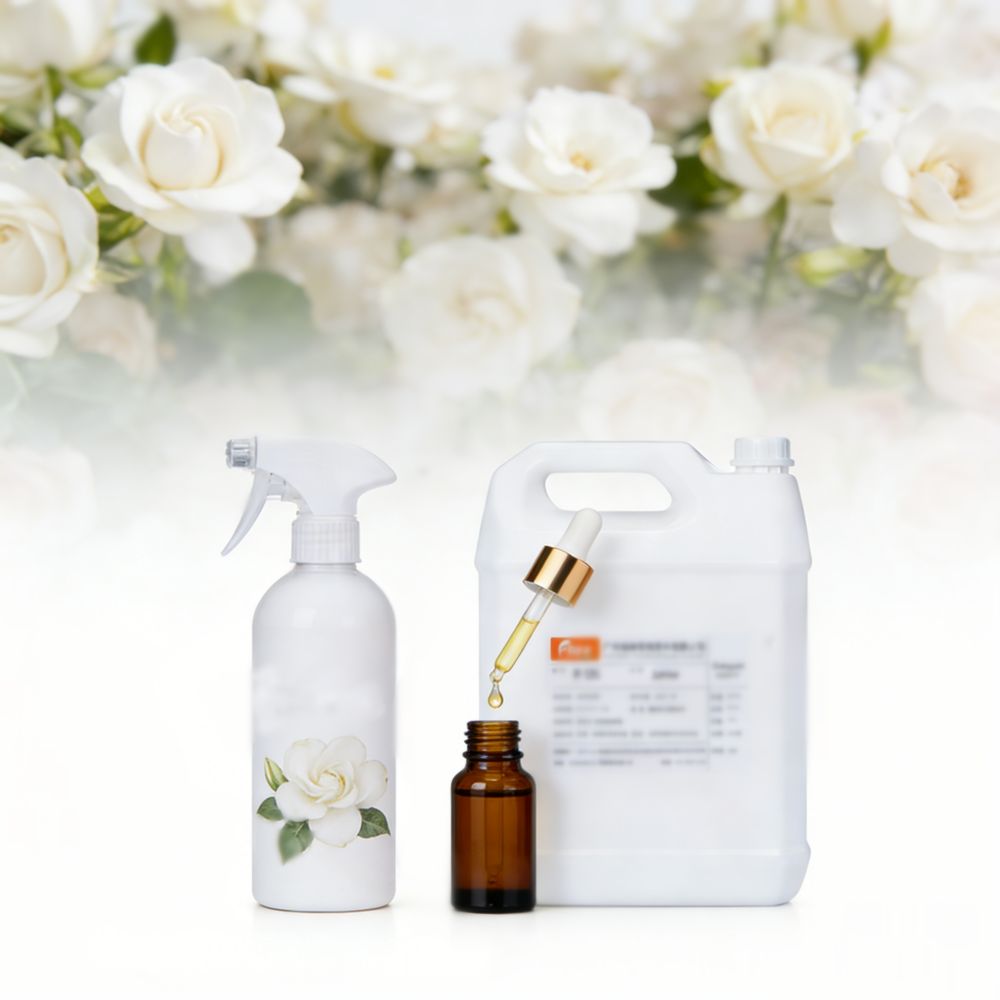
Product creators must establish a clear decision framework. Choosing between raw plant extracts and engineered blends dictates your entire product strategy. Each category serves a highly specific purpose.
Some brands focus entirely on holistic wellness. Raw botanical extracts shine in this space. They remain ideal for an aromatherapy candle or wellness soak where verifiable botanical claims drive the business. Consumers seeking pure plant energy expect these specific labels. However, significant risks exist. Raw extracts suffer from high volatility and low heat tolerance. This usually results in a poor hot throw in wax. Furthermore, you face inconsistent crop-to-crop yields. A lavender crop from 2023 might smell drastically different from a 2024 harvest.
Pre-formulated blends dominate scalable consumer goods. They power fine perfumes, complex room sprays, and luxury soaps. The advantages are immense. You unlock infinite scent possibilities. You can easily craft a "worn leather" or "fresh ocean breeze" profile. These concepts do not exist in nature as extractable liquids. Chemists also engineer specific fixatives into these blends for maximum longevity. Finally, you secure stable profit margins due to highly consistent raw material availability.
Comparison Summary: Scent Material Performance | ||
Feature | Essential Oils | Fragrance Oils |
|---|---|---|
Source Material | 100% natural botanical extracts | Synthetics, isolates, and natural blends |
Scent Variety | Limited strictly to extractable plants | Infinite (includes fantasy notes like "ocean") |
Heat Tolerance | Low (often burns off in hot wax) | High (engineered for excellent hot throw) |
Batch Consistency | Variable based on climate and harvest | Highly stable and consistent |
New formulators often face a frustrating dilemma. They mix several expensive plant extracts together. Yet, the result smells flat or disappears entirely in minutes. It simply lacks a store-bought quality. Understanding this implementation reality is crucial.
Raw plant extracts evaporate quickly. Top notes like lemon or bergamot flash off in seconds. Professional chemists solve this by using synthetic fixatives. These heavier molecules bind the volatile notes together. They physically slow down the evaporation process. Without these fixatives, your blend will always perform poorly.
Designing a scent requires precise architecture. You must balance delicate top notes, robust middle notes, and heavy base notes. Doing this using only raw botanicals is incredibly difficult. You lack access to the specialized aroma chemicals needed to bridge the gaps between different layers. The scent becomes disjointed and messy.
High-quality, pre-formulated options completely solve this problem. When you purchase a professional fragrance oil, it arrives molecularly balanced. Expert chemists have already optimized it for specific carrier bases. A blend designed for perfumer's alcohol behaves differently than one designed for soy wax. You bypass years of trial and error by leveraging their expertise.
Marketing myths often overshadow scientific reality. We must dispel these myths using evidence-oriented facts. The industry frequently misrepresents safety profiles to consumers.
Many consumers mistakenly believe lab-created materials are dangerous. The opposite is frequently true. Raw natural extracts contain hundreds of unregulated chemical compounds. Nature designed these chemicals to ward off predators, not to sit safely on human skin. Consequently, natural extracts often carry much higher rates of severe allergens. Citrus oils often present severe phototoxicity risks. Lab-created synthetics are isolated, tested, and highly predictable.
The International Fragrance Association (IFRA) heavily regulates the industry. They establish strict dermal and respiratory exposure limits based on rigorous peer-reviewed science. Safe, commercial-grade blends are specifically engineered to comply with these exact standards. You can trust the data provided by certified suppliers.
We must also consider ecological impact. Synthetic options actively prevent the over-harvesting of endangered botanicals. Global demand for natural Indian Sandalwood nearly decimated the species. Likewise, natural animal musks require unethical extraction methods. Synthesizing these molecules in a lab protects fragile ecosystems and animal welfare.
Formulators must evaluate suppliers carefully. Minimizing formulation risk requires strict vetting protocols. You cannot simply buy the cheapest option available. Follow these critical steps when selecting a supplier.
Require IFRA Certification: Never purchase a blend without an accessible IFRA certificate. This document details safe usage percentages per application. For example, Category 4 governs fine perfumes, while Category 12 governs candles. Exceeding these limits creates severe liability.
Demand Application Testing Data: Reputable suppliers provide extensive testing notes. Look for data on cold and hot throw performance in wax. Check for discoloration warnings, often caused by high vanillin content. Soap makers must also verify acceleration notes for cold-process applications.
Verify Transparency and SDS Availability: Ensure the supplier freely provides a Safety Data Sheet (SDS). This document is legally required for compliance and shipping regulations. It outlines exact handling procedures, flashpoints, and potential hazards. Do not trust a vendor refusing to share this vital documentation.
Utilizing pre-formulated blends is standard practice. It is safe, effective, and absolutely necessary for professional-grade manufacturing. You cannot easily scale a complex scent profile without them. Consider these final action steps as you move forward.
Define your product's core value proposition early. Decide whether you want pure holistic appeal or complex, high-performance artistry.
Commit to an ingredient path early in the development phase. Do not try to merge opposing philosophies halfway through.
Ruthlessly prioritize IFRA-compliant suppliers for every purchase. Safety must always dictate your formulation choices.
Maintain meticulous records of your supplier testing data for future batch scaling.
A: Generally, no. You must strictly check the IFRA certificate. Blends designed for candles often fall under Category 12. Fine perfumes require Category 4 compliance. Candle formulations might contain skin-sensitizing components or lack the proper solubility for alcohol carriers. Always verify dermal safety limits before applying any product directly to human skin.
A: IFRA-certified blends are safe for their intended use. There is a massive difference between cheap, unregulated liquids and professional-grade materials. Certified options are meticulously formulated to meet strict combustion and diffusion safety standards. They undergo rigorous testing to ensure respiratory safety when used at the recommended percentages.
A: This term represents an industry gray area. It typically refers to blends made entirely of natural isolates and essential oils. They exclude synthetic aroma chemicals entirely. However, professional chemists still compound them in a laboratory setting to ensure stability and safety. They bridge the gap between raw botanical extracts and fully synthetic formulations.
