
close
Choose Your Site
Global
Social Media
Views: 0 Author: Site Editor Publish Time: 2026-07-31 Origin: Site


Scent is the primary driver of brand recall and repeat purchases in the personal care and household goods sectors, yet it remains the most technically volatile component of product development. Private label brands frequently struggle to differentiate their product lines using off-the-shelf scents, facing issues with base compatibility, olfactory fatigue, packaging degradation, and lack of exclusivity. Moving from generic scents to a custom daily chemical fragrance requires a rigorous evaluation of formulation stability, packaging compatibility, regulatory compliance, and vendor capabilities. This guide provides a technical framework for navigating the fragrance customization process and selecting a manufacturing partner.
Custom vs. Catalog: Fully custom daily chemical fragrances offer brand exclusivity and tailored base compatibility, whereas private label catalog scents provide speed-to-market but risk market saturation and lack unique brand storytelling.
Technical Viability: A successful fragrance customization service must prioritize both base stability testing (addressing pH interactions, discoloration, and viscosity shifts) and container-packaging compatibility before finalizing the olfactory profile.
Regulatory Non-Negotiables: All formulations must strictly adhere to IFRA (International Fragrance Association) standards specific to the end-product category (e.g., wash-off vs. leave-on, or home care vs. personal care).
Vendor Evaluation: Partner selection should hinge on analytical testing infrastructure, transparent raw material sourcing, packaging-interaction analysis, and clear Intellectual Property (IP) ownership terms.
Brands must align their fragrance strategy with their timeline, target packaging, and desired market positioning before engaging a manufacturer. A mismatch between formulation complexity and operational readiness often leads to product failure on the filling line. You need to determine whether a pre-formulated solution or a ground-up custom development fits your immediate operational capabilities and long-term brand goals.
Pre-formulated catalog scents offer rapid deployment for brands looking to launch quickly. Manufacturers keep these formulas on hand, allowing you to bypass lengthy research phases. You can select a profile, request a sample, and move directly into production. These options typically carry lower Minimum Order Quantities (MOQs), making them accessible for initial market testing or limited-run seasonal collections.
However, catalog scents present significant drawbacks for brands seeking long-term market dominance. You gain zero exclusivity. Competitors can purchase the exact same olfactory profile from the same manufacturer and launch a competing product. Furthermore, these generic oils often suffer from base incompatibility when mixed with unique private label formulas. A catalog scent designed for a standard lotion might separate or discolor when introduced to a specialized high-active surfactant system. You also lose the ability to build a proprietary, signature sensory brand identity that consumers instantly recognize.
Developing a custom formulation establishes a strategic advantage. It allows you to engineer a high-recall brand concept tailored specifically to your target demographic. A custom approach ensures the scent profile complements the active ingredients in your base rather than fighting them. You control the narrative, the performance, and the exact sensory experience delivered to the end user.
This route demands dedicated resources. You will face higher initial R&D requirements and extended development timelines. Formulating, testing, and refining a custom scent typically takes three to six months. Manufacturers also require higher MOQs to justify the dedicated compounding and testing resources allocated to your specific project. You are investing in a proprietary asset that belongs exclusively to your brand.
Evaluating the financial impact of custom scents requires looking beyond the initial per-kilo price. You must factor in the comprehensive R&D fees required to engineer the profile. Stability testing and packaging compatibility trials add upfront expenses but prevent catastrophic product recalls later. When you scale production, the per-kilo rates often stabilize, making the custom route highly efficient for high-volume runs. The value generated through brand exclusivity and customer retention heavily outweighs the initial formulation and testing investments.
Feature | Catalog Fragrance Oils | Custom Fragrance Development |
|---|---|---|
Time to Market | 1 to 3 weeks | 3 to 6 months |
Exclusivity | None (Available to competitors) | 100% Proprietary |
Base Compatibility | Hit or miss; requires testing | Engineered specifically for your base |
Initial Investment | Low | High (R&D, Stability Testing) |
Brand Identity | Generic | Signature and highly recognizable |
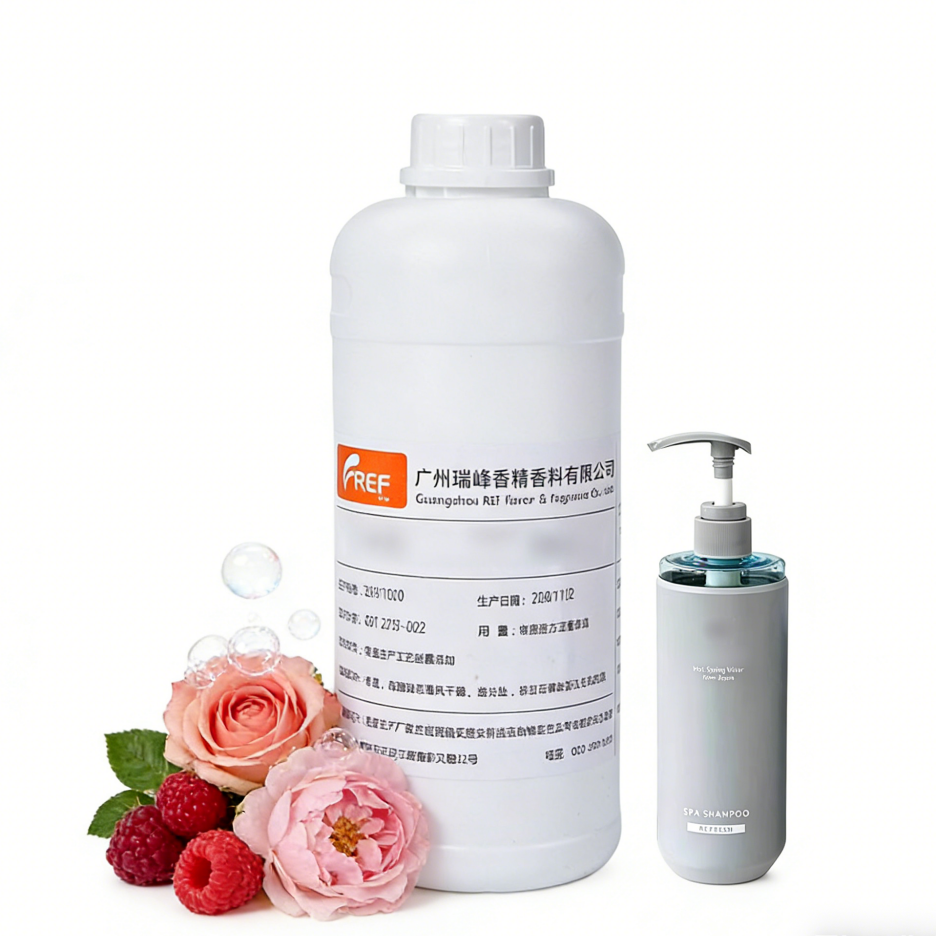
A fragrance cannot be judged solely on a smelling strip. You must evaluate its chemical performance within the specific daily chemical base, whether that involves surfactant systems, emulsions, or waxes. Physical interaction with the final product packaging is equally critical. Integrating daily chemical fragrances requires rigorous stress testing before commercialization to ensure the product remains stable on the retail shelf.
Chemical reactions between fragrance compounds and active ingredients pose severe risks. Certain aroma chemicals oxidize rapidly when exposed to specific preservatives or active botanicals. This oxidation alters the scent profile and degrades the product's efficacy. Shifts in pH can completely neutralize a fragrance or cause it to emit off-odors. For example, a citrus note that smells vibrant in a neutral lotion might degrade into a harsh, chemical odor in a high-pH cleaning product.
Accelerated stability testing is mandatory. You must subject the fragranced base to elevated temperatures (typically 40°C to 45°C) and UV exposure to monitor for discoloration, separation, or viscosity changes. A fragrance that smells perfect on day one might turn a clear shampoo cloudy or cause a thick lotion to thin out over a three-month period. You need to verify that the scent profile remains consistent throughout the product's entire intended shelf life.
Fragrance compounds, particularly essential oils and synthetic esters, act as powerful solvents. They can cause stress cracking in PET and HDPE bottles. In some cases, fragrance molecules migrate through the plastic, resulting in a phenomenon known as sweating or paneling, where the bottle physically collapses inward. This compromises the structural integrity of the container and ruins the label aesthetics.
You must establish strict protocols for testing formulation stability within the target commercial packaging. Testing in standard lab glass is insufficient. You need to monitor the fragranced product in its final glass, aluminum, PCR plastic, or PET container for several weeks. Look for any signs of leaching, plastic degradation, or cap liner failure. A failed cap liner can lead to massive leaks during transit, destroying entire pallets of finished goods.
Performance metrics for functional products differ vastly from fine perfumery. You must evaluate "bloom," which refers to the scent release during use. A body wash requires a powerful bloom in a hot, humid shower environment to deliver a satisfying consumer experience. Substantivity measures scent retention on skin, hair, or fabric post-use. A laundry detergent must leave a lasting impression on dry fabric days after washing.
Achieving these metrics requires strategic blending of top, middle, and base notes engineered specifically for functional applications. Perfumers use specialized fixatives to anchor volatile top notes in high-surfactant environments. This ensures the scent survives the wash cycle and remains noticeable to the consumer long after the initial application.
Regulatory compliance dictates formulation boundaries. You must secure IFRA certificates of conformity for your specific product categories. IFRA standards limit the usage of certain aromatic compounds based on skin exposure levels. A fragrance approved at 5% in a wash-off shampoo might be restricted to 0.5% in a leave-on face cream. Ignoring these limits exposes your brand to severe liability.
Regional compliance requirements add another layer of complexity. You must navigate REACH regulations in Europe, Prop 65 mandates in California, and strict allergen declaration rules globally. Failing to account for these standards during the formulation phase will halt your product launch. Your manufacturing partner must provide comprehensive documentation proving the fragrance meets all legal requirements for your target sales regions.
Mapping the operational phases of working with a custom formulation lab ensures a streamlined development process. Understanding these steps helps you manage timelines, allocate resources, and communicate effectively with perfumers and chemists.
The process begins by translating your brand vision into a cohesive sensory story. You must define the target consumer aesthetics, whether you aim for relaxation, clinical hygiene, or luxury wellness. This vision forms the foundation of your olfactory brief. You are not just picking a smell; you are defining an emotional response.
Drafting a highly technical fragrance brief is critical. You must specify the target audience, exact product format, base formulation details, and maximum dosage limits. Clearly state your desired sensory claims. A vague brief leads to endless revisions; a precise brief accelerates development. Include physical samples of benchmark products if you have a specific performance standard in mind.
Perfumers evaluate trade-offs between synthetic aromatic compounds, natural extracts, and essential oils. They balance performance stability, allergen profiles, and sustainability claims. Synthetics offer unmatched stability and consistency, while naturals provide complex marketing narratives but introduce volatility and batch variations. The perfumer will select raw materials that survive your specific base chemistry.
Once the lab produces first-round samples, you initiate testing protocols in the unfragranced product base. You conduct simultaneous compatibility testing with the product base and target packaging. This phase identifies cap liner degradation, bottle collapse, or pump assembly failure before you commit to a full production run.
You establish a tight feedback loop with the perfumer during this phase. You adjust intensity, mask inherent base odors, and refine the profile until the physical and sensory performance aligns with the brief. Expect to test multiple iterations (mods) before achieving the perfect balance of scent throw and chemical stability.
Transitioning from lab-scale compounding to commercial production requires strict oversight. You must standardize QC metrics to ensure batch-to-batch consistency. Rely on Gas Chromatography-Mass Spectrometry (GC-MS) analysis, specific gravity measurements, and refractive index testing to verify that every commercial batch matches the approved reference sample. Consistent QC prevents olfactory drift over the lifespan of your product line.
Selecting the right partner determines the long-term viability of your product line. You must audit fragrance houses based on their technical infrastructure, operational reliability, and transparency. A reliable fragrance customization service acts as an extension of your own R&D department.
Assess the vendor's compounding capacity and automated dosing technology. Automated systems reduce human error and ensure precise formulations across large batches. Evaluate their flexibility with pilot runs versus commercial-scale orders. A partner capable of supporting smaller pilot runs allows you to validate market demand and test filling line performance before committing to massive inventory.
Verify the presence of in-house application labs. A credible partner must possess the capability to test the scent in your specific daily chemical base. They need the equipment to simulate accelerated aging, measure viscosity changes, and monitor interactions with your chosen packaging materials. If they outsource their stability testing, you lose control over the timeline and the data.
Evaluate the vendor's ability to secure consistent, high-quality raw materials. Ask about their contingency plans for global supply chain disruptions. A manufacturer reliant on a single source for a critical aroma chemical puts your entire product line at risk if that supply chain fails. They should maintain robust inventory levels of core ingredients and have pre-approved alternative suppliers.
Integrating custom scents involves inherent chemical and operational risks. Addressing these pitfalls early prevents costly delays, product failures, and damage to your brand reputation.
Natural ingredient variations or poor compounding practices lead to noticeable scent changes over time. Consumers quickly detect when their favorite product smells different, leading to lost trust and negative reviews. To mitigate this, require strict QC documentation, including Certificates of Analysis, for every batch. Establish and securely store approved standard reference samples for ongoing comparison.
Investing heavily in R&D only to find the manufacturer selling your formula to competitors destroys your brand advantage. You must negotiate clear IP ownership, strict non-disclosure agreements (NDAs), and binding exclusivity clauses before any formulation work begins. Protect your sensory assets legally. Ensure the contract explicitly states that the custom formula cannot be repurposed or slightly modified for another client.
Natural essential oils present significant technical challenges. They are highly volatile, chemically unstable, and prone to causing allergic reactions or rapid degradation in surfactant bases. They also fluctuate wildly in availability and quality based on agricultural yields. Adopt a balanced formulation approach. Utilize "nature-identical" synthetics alongside natural extracts to ensure stability, safety, packaging compatibility, and consistent performance.
Custom daily chemical fragrances are a necessary investment for private label brands aiming for premium market positioning, sensory consistency, and high customer retention. This holds true provided the technical and physical-packaging integration is managed rigorously. Prioritize fragrance customization service providers that offer robust in-house stability testing, dedicated packaging compatibility validation, transparent regulatory documentation, and clear IP terms.
To move forward effectively, follow these actionable steps:
Compile your exact product base specifications, including pH levels, active ingredients, and viscosity targets.
Define your final commercial packaging materials and secure physical samples to send to the formulation lab.
Outline your brand's sensory vision and target demographic in a detailed technical brief.
Initiate contact with two to three vetted fragrance houses to request their standard briefing documents and audit their QC protocols.
A: Private label uses pre-existing, non-exclusive catalog scents available to any brand. Custom development involves formulating a unique, proprietary scent profile specifically engineered to remain stable and perform optimally within a brand's unique product base.
A: A standard custom development timeline runs 3 to 6 months. The primary time constraints involve base stability and packaging compatibility testing, which require 4 to 12 weeks of continuous monitoring to ensure product safety.
A: IFRA establishes safe usage levels for aromatic compounds based on consumer exposure. They dictate maximum allowable concentrations for different formats, ensuring a wash-off shampoo and a leave-on lotion remain safe for dermal contact without causing sensitization.
A: While technically possible, 100% natural oils often suffer from rapid oxidation, severe batch-to-batch scent variations, and base incompatibility. They frequently cause viscosity issues and discoloration, making synthetic blends more reliable for commercial scale.
A: Fragrance compounds act as solvents. Without testing, they can degrade cap liners, cause stress cracking in plastic bottles, or migrate through the container walls, leading to product leakage and compromised brand presentation.
