
close
Choose Your Site
Global
Social Media
Views: 0 Author: Site Editor Publish Time: 2026-10-14 Origin: Site


Capturing authentic, non-synthetic botanical scents in natural wax formulations remains one of the highest technical hurdles in candle manufacturing. Many commercial floral fragrances mutate or become overpowering when exposed to heat, while natural soy wax can struggle with hot throw if paired with incompatible fragrance compounds. Formulators and buyers must navigate the gap between cheap, headache-inducing synthetics and stable, high-quality botanical profiles. Analyzing the interaction between soy wax's specific burn mechanics, its cleaner-burning properties, and the complex molecular structure of lily fragrances reveals how to achieve a balanced, premium scent throw. This guide evaluates the criteria for selecting and implementing lily fragrance oils in soy-based systems. We examine how to ensure delicate Floral Notes remain intact from the initial pour to the final burn.
Wax-to-Fragrance Synergy: Soy wax’s low melting point prevents the flash-off of delicate top notes in lily fragrances, ensuring a highly consistent, long-lasting scent release compared to paraffin.
Profile Distinction: Most commercial "lily" oils default to Lily of the Valley (muguet); distinguishing between true Oriental lily, Stargazer, and muguet profiles is critical for product differentiation.
Formulation Tolerances: Premium floral aromatherapy fragrance requires precise fragrance loads (typically 8-10% in soy) and extended curing times (up to 14 days) to stabilize the complex floral aldehydes.
Clean-Burn Advantage: Utilizing natural soy wax provides a soot-free burn, preventing carbon emissions from masking or degrading the pure, delicate nuances of lily fragrance oils.
Risk Mitigation: Avoiding "fuel-like" or soapy off-notes requires selecting phthalate-free, soy-optimized fragrance oils with verified flashpoints above 175°F (79°C) and strict adherence to IFRA regulations.
Standard floral profiles often fail in natural plant waxes because formulators misunderstand wax chemistry. You get poor hot throw, rapid scent degradation, or severe wax sweating when you force heavy botanical oils into a soy matrix. Unlike paraffin, which is a highly refined petroleum byproduct with a crystalline structure that readily releases volatile compounds, soy wax is polymorphic. It requires precise temperature management and specific molecular compatibility to bind effectively with dense aromatic compounds.
The physical behavior of soy wax during combustion directly influences how a fragrance performs in a room. Soy wax typically features a lower melting point, generally ranging between 113°F and 125°F depending on the specific hydrogenated blend. This lower temperature threshold alters the volatility rate of the embedded fragrance oils. When you light a candle, the heat from the wick melts the surrounding wax, creating a liquid pool from which the fragrance evaporates.
A slower, cooler burn rate actively prevents the thermal destruction of fragile floral esters found in complex lily profiles. High heat easily scorches delicate top notes, leaving behind a flat or exclusively heavy base note profile. By utilizing a wax that maintains a cooler melt pool, you preserve the structural integrity of the fragrance molecule. This allows for a gradual, even fragrance distribution throughout the burning cycle.
Weigh your wax and fragrance accurately using a calibrated digital scale.
Heat the soy wax to 185°F to fully expand the polymer lattice.
Add the fragrance oil and stir gently for exactly two minutes to ensure complete binding.
Pour at the manufacturer's recommended temperature, usually around 135°F, to prevent the fragrance from separating as the wax cools.
Evaluating soy wax as a cleaner-burning alternative to traditional paraffin wax requires looking beyond environmental claims and focusing on olfactory performance. Paraffin combustion frequently generates microscopic petroleum soot. While sometimes invisible to the naked eye, this soot carries a distinct, sharp carbon odor that interferes with the perception of lighter botanical scents.
The absence of heavy petroleum soot in a properly wicked soy candle preserves the olfactory integrity of delicate floral notes. Lily profiles rely heavily on clean, airy top notes to mimic the sensation of a fresh bloom. If carbon emissions mix with the evaporating fragrance, the resulting scent often reads as synthetic, muddy, or metallic. Utilizing a clean-burning soy base ensures the scent remains pure from the first light down to the bottom of the jar.
Impact of Wax Type on Floral Fragrance Integrity |
|||
Wax Type |
Combustion Byproducts |
Impact on Floral Top Notes |
Hot Throw Characteristics |
|---|---|---|---|
100% Soy Wax |
Minimal to zero soot when properly wicked |
Preserves delicate airy and green notes |
Slower release, highly accurate to cold throw |
Paraffin Wax |
Petroleum-based carbon soot |
Can mask or scorch fragile floral esters |
Rapid release, often mutates delicate profiles |
Soy/Paraffin Blend |
Moderate soot depending on ratio |
Slight degradation of lightest top notes |
Strong initial throw, moderate accuracy |
The introduction of dense floral fragrance oils significantly impacts the capillary action of the wick. Capillary action is the mechanism by which liquid wax and fragrance are drawn up through the wick to fuel the flame. Heavy floral oils increase the overall viscosity of the melt pool. If you do not size the wick properly to handle this increased density, the flame will struggle, leading to tunneling, poor hot throw, or self-extinguishing.
Evaluating cotton versus wooden wicks in soy wax requires extensive testing. Cotton wicks, particularly those with paper or rigid cores, offer consistent capillary flow but easily become clogged by viscous fragrance oils. Wooden wicks provide a wider heat dispersion area, which helps generate a larger melt pool faster, but they demand a highly refined fragrance oil to prevent sputtering. You achieve a full melt pool without drowning the wick by balancing the fragrance load and selecting a wick series specifically engineered for natural waxes.
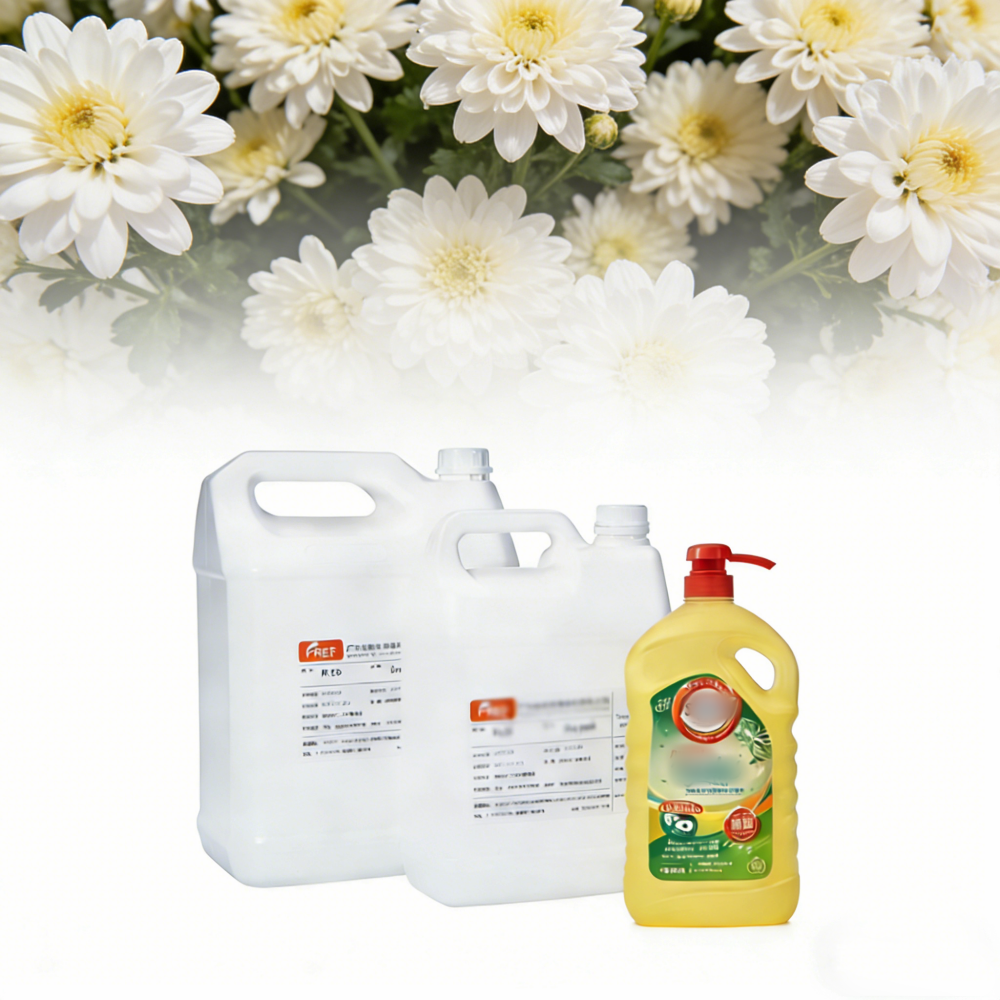
Breaking down the chemical and aromatic differences in available lily fragrances is essential for accurate product development. The term "lily" is often used as a blanket descriptor in the fragrance industry, masking a wide variety of distinct botanical profiles. Selecting the correct lily scented candle fragrance oil dictates the entire mood and market positioning of your final product.
The market reality of lily fragrances is heavily dictated by extraction limitations. True lilies yield very little usable essential oil through traditional steam distillation or cold pressing. Enfleurage or solvent extraction is possible but prohibitively expensive for commercial candle manufacturing. Consequently, most accessible lily oils are synthetic representations of Lily of the Valley (muguet). Muguet offers a sharp, green, spring-like note that is fresh and slightly soapy. It is highly recognizable but lacks the depth of true lily species.
Evaluating the olfactory differences between muguet and true lilies like the Oriental or Stargazer varieties reveals distinct formulation paths. Oriental lilies present heavy, indolic, and spicy notes. They are rich, slightly sweet, and carry a dense floral weight. Stargazer profiles often incorporate subtle hints of vanilla or clove. Understanding these distinctions allows you to move away from generic spring candles and develop complex, sophisticated floral products.
Advancements in the identification and biosynthesis of fragrance components have revolutionized how we construct floral notes. Modern analytical techniques, such as gas chromatography-mass spectrometry (GC-MS), allow chemists to isolate the exact molecular structure of a living lily's scent. We use this data to create nature-identical fragrance oils—compounds synthesized in a lab that are chemically indistinguishable from those found in nature.
There are strict trade-offs between using essential oil isolates and high-grade synthetics. While natural isolates appeal to a specific consumer demographic, they are notoriously unstable in high-heat applications and vary wildly from batch to batch depending on crop yields. High-grade, nature-identical synthetics offer superior stability, predictable flashpoints, and strict eco-compliance. They eliminate the risk of crop depletion and ensure that a candle poured in January smells exactly the same as one poured in July.
Relying on a single-note lily fragrance often results in a flat olfactory experience. Strategies for creating multi-dimensional scent profiles involve blending lily with other robust botanicals to construct a complete fragrance pyramid. A well-rounded fragrance requires top notes to introduce the scent, middle notes to carry the theme, and base notes to anchor the volatility.
Pairing a heavy Oriental lily with jasmine creates a deep, resonant floral profile ideal for luxury evening candles. Conversely, cutting the inherent sweetness of a Stargazer lily with sharp top notes of eucalyptus and a grounding base of lavender produces a spa-like, herbaceous finish. This approach prevents the lily from becoming cloying and broadens the appeal of the candle to consumers who normally avoid heavy floral scents.
Lily Fragrance Blending Matrix |
|||
Base Lily Profile |
Recommended Top Notes (15-20%) |
Recommended Base Notes (20-30%) |
Resulting Scent Category |
|---|---|---|---|
Muguet (Lily of the Valley) |
Bergamot, White Tea, Lemon Zest |
Light Musk, White Woods |
Fresh / Clean / Spring |
Oriental Lily |
Ylang Ylang, Sweet Orange |
Sandalwood, Amber, Vanilla |
Sensual / Heavy Floral / Evening |
Stargazer Lily |
Eucalyptus, Pink Peppercorn |
Vetiver, Patchouli, Cedar |
Earthy / Botanical / Spa |
Moving from fragrance selection to actual production requires evaluating features against outcomes for scalability and consumer appeal. Formulating with a premium floral aromatherapy fragrance demands precise mathematical ratios and strict environmental controls during the pouring and curing phases.
Every specific blend of soy wax has a technical limit regarding maximum fragrance retention versus optimal scent throw. You calculate the fragrance load by weight, not volume. A common industry baseline is adding 1 to 1.5 ounces of fragrance oil per pound of soy wax, which translates to roughly a 6% to 9% fragrance load. While some specialized waxes claim to hold up to 12%, pushing the boundaries with dense floral oils is risky.
Pushing beyond a 10% fragrance load with heavy lily notes often leads to wax sweating, where the oil separates from the wax and pools on the surface. This ruins the aesthetic of the candle and creates a significant fire hazard, as the pooled oil can ignite. Furthermore, excessive fragrance oil disrupts the capillary action of the wick, leading to incomplete combustion, heavy soot production, and a suppressed hot throw. You usually achieve optimal throw at an 8% load, provided the oil is of premium quality and added at the correct temperature.
Place your empty pouring pitcher on a digital scale and tare it to zero.
Weigh out exactly 16 ounces (1 pound) of soy wax flakes.
Tare a separate glass beaker and weigh out 1.28 ounces of fragrance oil (this equals an 8% load).
Heat the wax to 185°F, remove from heat, and immediately blend in the pre-weighed fragrance oil.
The curing process is frequently misunderstood as simply waiting for the wax to harden. In reality, curing is a chemical binding process between the non-polar soy wax molecules and the polar fragrance oils. When you add fragrance to melted wax, the molecules disperse but do not fully lock into the wax's crystalline structure. As the wax cools and solidifies, it forms a lattice that traps the fragrance molecules.
Complex floral notes require a minimum 10 to 14 day cure time to achieve an accurate hot throw assessment. During this period, the wax continues to harden and the fragrance fully integrates into the lattice. Evaluating a lily-scented soy candle after only 24 hours results in a weak, inaccurate representation of its true potential. The extended cure time stabilizes the volatile aldehydes and ensures a consistent, powerful scent release once you finally burn the candle.
The modern consumer market heavily favors transparency, clean ingredients, and functional home fragrances. Positioning hand-poured, small-batch soy candles as tools for natural relaxation taps directly into this demand. Buyers increasingly scrutinize labels, avoid paraffin due to indoor air quality concerns, and seek out products that offer a therapeutic benefit.
The combination of eco-friendly soy wax and premium lily fragrance caters to the clear conscience buyer. These consumers look for pure, restorative home fragrances to use after a long day. By utilizing phthalate-free, nature-identical floral oils in a renewable soy base, you can confidently market your products as safe, clean-burning, and aligned with modern wellness trends. This positioning justifies a premium price point and builds strong brand loyalty.
Conceptual trade-offs in sourcing and production directly influence the overall value of the final product. Overlooking quality control protocols during the manufacturing phase results in inconsistent batches, customer complaints, and potential safety liabilities.
High concentrations of indoles and aldehydes present in cheap or poorly formulated lily oils frequently cause adverse physical reactions, commonly referred to as headache notes. Indole is a naturally occurring organic compound found in many white flowers, including lilies and jasmine. In low concentrations, it provides a rich floral depth. In high concentrations, it smells distinctly chemical or harsh.
Strategies for mitigating these harsh notes involve precise blending and dilution. Blending a sharp lily profile with grounding base notes like sandalwood, vetiver, or soft musks helps to round out the sharpness and anchor the volatile top notes. This creates a smoother olfactory transition and prevents the scent from becoming piercing in smaller rooms. Proper ventilation during the testing phase is also critical to prevent you from experiencing olfactory fatigue, which leads to over-scenting subsequent batches.
The critical relationship between a fragrance oil's flashpoint and the wax's pour temperature dictates the success of your candle. The flashpoint is the temperature at which the vapor of the oil can ignite if exposed to an open flame. It also serves as a general indicator of volatility. If a lily fragrance oil has a flashpoint of 175°F, and you add it to wax that is 200°F, the delicate top notes immediately begin to vaporize, altering the scent profile before you even pour the candle.
Standard operating procedures dictate adding fragrance oil at roughly 185°F. This temperature is generally high enough to ensure the wax matrix is fully expanded, allowing the oil to bind effectively, but low enough to prevent excessive vaporization of most premium oils. Gentle, continuous stirring for exactly two minutes ensures even distribution without introducing air bubbles.
Navigating the regulation of fragrance components is mandatory for commercial viability. You must ensure strict compliance with IFRA (International Fragrance Association) standards. IFRA certificates dictate the maximum safe usage levels of specific fragrance compounds for various applications. Adhering to these guidelines ensures the candle is safe for indoor respiratory exposure and protects your operation from liability.
Flashpoint and Binding Temperature Guidelines |
||
Fragrance Flashpoint |
Recommended Wax Temp for Binding |
Risk if Added Too Hot |
|---|---|---|
Below 150°F (Highly Volatile) |
145°F - 150°F |
Severe loss of top notes, altered scent profile |
150°F - 180°F (Moderate) |
175°F - 180°F |
Moderate evaporation, potential for weak hot throw |
Above 180°F (Stable) |
185°F |
Minimal risk; optimal binding temperature for soy wax |
Conduct initial small-batch testing utilizing a strict 8% fragrance load by weight to establish a baseline for hot throw and wax compatibility.
Test a minimum of three different wick sizes or materials simultaneously to account for the specific viscosity of the chosen lily fragrance oil.
Enforce a mandatory 14-day curing period in a temperature-controlled environment before conducting any burn tests or hot throw evaluations.
Request and file current IFRA compliance certificates from your fragrance supplier to ensure all formulations meet indoor respiratory safety standards.
A: Robust florals like lily, jasmine, and lavender perform exceptionally well in soy wax. Their strong molecular structures survive the thermal binding process during manufacturing. These dense profiles benefit from soy wax's lower melting point, which prevents the delicate top notes from burning off too quickly, resulting in a consistent, long-lasting hot throw.
A: The difference between cold throw and hot throw is driven by heat. Excessive melt pool temperatures, soot from an improperly sized wick, or inadequate curing times can mutate or destroy delicate floral top notes. If the wax gets too hot, the lighter botanical esters flash off, leaving only the heavier base notes.
A: True lily botanical extracts and essential oils are highly toxic to cats and dogs. Because of this, synthetic or nature-identical, pet-safe fragrance oils are the strict industry standard for commercial candle making. Always verify with your supplier that the specific fragrance oil formulation is certified safe for use around animals.
A: The technical baseline for soy wax is typically 1 to 1.5 ounces of fragrance oil per pound of wax. This equates to an 8% to 10% fragrance load by weight. Exceeding a 10% load with heavy floral oils frequently causes the wax to sweat, leading to poor combustion and potential fire hazards.
A: A lily-scented soy candle requires a strict 1 to 2 week curing window. This 10-14 day period allows the polar fragrance oil molecules to fully integrate and lock into the non-polar soy wax crystal structure. Rushing this process results in a significantly weaker hot throw and poor scent stability.
