
close
Choose Your Site
Global
Social Media
Views: 0 Author: Site Editor Publish Time: 2026-09-23 Origin: Site


Transitioning from alcohol-based sprays to concentrated perfume oil requires a fundamental recalibration of how you apply fragrance. Most individuals instinctively apply heavy doses. You might expect an immediate, room-filling scent cloud. However, this aggressive approach fails when dealing with pure oil formats. Unlike traditional alcohol-based perfumes which project heavily and evaporate quickly, oils behave completely differently. They sit much closer to the skin. They rely entirely on your natural body heat to activate and bloom steadily over several hours. This distinct physical property demands a specialized, measured application strategy. Our objective is to establish a clear, evidence-based baseline for perfume oil application. We will help you prevent olfactory fatigue and avoid wasting your high-end products. By mastering these micro-dosing techniques, you can easily achieve an elegant, optimal sillage without ever overwhelming a shared space.
The baseline dose for concentrated perfume oil is 1–2 drops or 1–2 brief rollerball swipes per application.
Oils require heat to project; applying to 2–3 targeted pulse points is more effective than increasing the volume of oil.
Skin chemistry and hydration levels dictate absorption rates, requiring minor dosage adjustments for dry vs. oily skin.
Friction degrades the fragrance profile; users must dab or press the oil rather than aggressively rubbing the application site.
Many users over-apply oils immediately upon purchase. They mistakenly expect the rapid scent cloud, known as sillage, characteristic of an aerosolized spray. This mismatch in user expectations creates significant application errors. You must understand the underlying chemistry to correct this habit. Alcohol flashes off your epidermis almost instantly. It acts as a highly volatile solvent. It aggressively forces top notes into the surrounding air. In sharp contrast, a Perfume Fragrance Oil utilizes a rich, lipid-based carrier. Common botanical carriers include golden jojoba, sweet almond, or fractionated coconut oil. These heavier bases absorb very slowly into the skin. They release aromatic molecules gradually over a prolonged, steady period.
The risk of over-application remains exceptionally high for beginners. Applying excessive amounts does not magically increase your projection radius. It only saturates the immediate skin surface. You will quickly create a greasy, uncomfortable residue. This excess liquid risks permanently staining your delicate clothing fibers. Furthermore, heavy daily doses accelerate olfactory fatigue. Neurologists refer to this phenomenon as sensory adaptation. Your brain quickly tunes out the constant, overwhelming aromatic stimulus. You become entirely nose-blind to the scent. Meanwhile, everyone else around you suffocates under the heavy fragrance cloud.
Let us summarize the mechanical differences you must memorize:
Alcohol formulations deliver a rapid, volatile, and temporary burst.
Carrier oils provide a slow, linear, and sustained aromatic release.
Excess alcohol evaporates safely and invisibly into the atmosphere.
Excess oil pools heavily on the skin surface and transfers to fabrics.
Understanding these distinct physical behaviors allows you to adjust your routine. You stop treating oils like sprays. You begin treating them like potent, highly concentrated extracts. This mindset shift prevents accidental overindulgence.
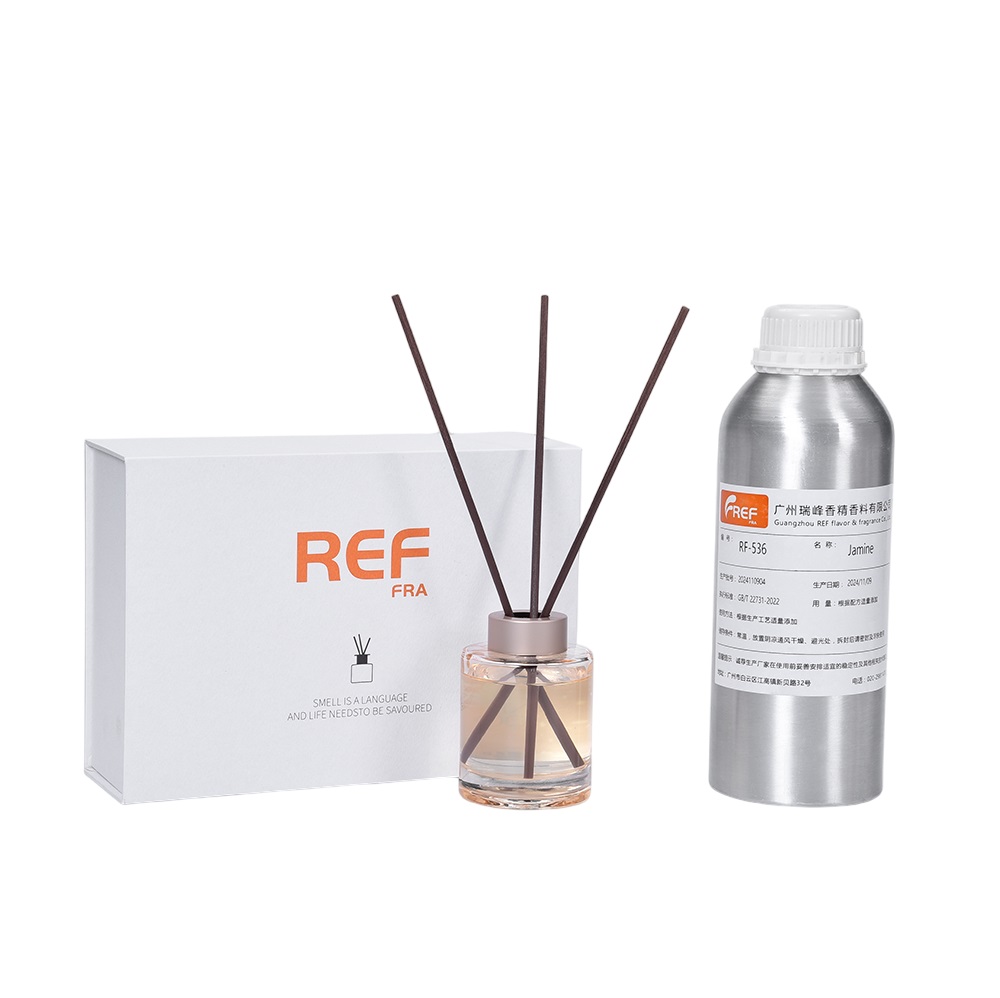
Establishing a strict application baseline prevents costly product waste. You must define your recommended starting dose carefully. We advise applying strictly one to two drops if you use a traditional glass dropper. If your bottle features a rollerball mechanism, apply a single one-inch swipe. Do not exceed this standardized measurement during your initial morning application. You must resist the urge to add more liquid simply because the initial impact feels softer than a spray.
When evaluating a premium Luxury Fragrance Oil, remember its incredible material density. Higher-quality, pure attars contain massively dense concentrations of raw aromatic materials. A single, tiny drop often contains more pure botanical extract than five full sprays of a commercial Eau de Parfum. This extreme concentration means a single drop usually suffices for eight to twelve hours of continuous wear. You do not need a larger liquid volume to achieve impressive longevity.
We strongly recommend implementing the clinical "Wait and See" protocol. This framework allows you to gauge true effectiveness safely. Follow these precise steps every single time you test a new oil:
Apply your strict baseline dose exclusively to clean, dry skin.
Secure the bottle cap and step away from the vanity.
Do not add more oil immediately, regardless of initial perception.
Wait a minimum of fifteen to twenty minutes for your natural body heat to rise.
Allow the complex scent profile to fully activate and bloom.
Evaluate the true projection before making any decisions about reapplying.
Following this numbered protocol guarantees you will never over-apply. It respects the slow-release nature of the carrier lipids. It also gives your olfactory receptors time to adjust to the new aromatic environment comfortably.
Fragrance molecules vary dramatically in their molecular weight. Your personal skin chemistry also plays a massive role in daily absorption rates. You must strategically adjust your baseline application based on these two distinct variables. Treating every scent identically leads to inconsistent results.
Citrus and fresh aquatic notes contain highly volatile, lightweight molecules. They naturally evaporate much faster, even suspended in a heavy oil base. You might require a slightly higher initial dose for these profiles. Two to three drops often work best to achieve the desired effect. Alternatively, you should plan for a quick midday touch-up. Conversely, deep notes like oud, rich amber, and animalic musk consist of incredibly large, heavy molecules. They cling stubbornly to the epidermis for hours. You must strictly adhere to the one-drop maximum for these heavy profiles. Exceeding this strict limit causes the scent to become cloying, thick, and socially oppressive.
Your unique skin type entirely dictates how quickly the carrier absorbs. Dry skin rapidly drinks in applied oils. This fast absorption can unfortunately mute the beautiful scent profile. Instead of foolishly doubling your expensive perfume oil dose, apply an unscented moisturizer first. This creates a hydrated primer layer. Oily or thoroughly hydrated skin naturally retains fragrance much longer. The natural sebum traps the scent molecules highly effectively. Stick to the absolute minimum baseline dose if you possess an oily skin type.
Table: Dosage Adjustment Matrix
Scent Profile Type | Skin Condition | Recommended Dosage Adjustment |
|---|---|---|
Citrus / Fresh / Floral | Dry Skin | Prime skin first; apply 2-3 drops or swipes. |
Citrus / Fresh / Floral | Oily Skin | Apply 1-2 drops directly to bare pulse points. |
Oud / Amber / Musk | Dry Skin | Prime skin first; strictly adhere to 1 drop. |
Oud / Amber / Musk | Oily Skin | Apply absolute minimum (0.5 to 1 drop only). |
Placement absolutely dictates performance. You must target your pulse points strategically to maximize your return. These specific anatomical areas generate the highest natural body heat. The inner wrists, the base of the neck, and directly behind the ears serve as prime aromatic real estate. The major blood vessels sit extremely close to the skin surface in these regions. They literally act as miniature thermal radiators for your fragrance. These zones remain the only truly necessary application sites for concentrated formats.
We strongly recommend limiting your chosen locations daily. Choose a maximum of two to three pulse points per wear. Covering your entire body crosses a very fine social line. You will rapidly move from projecting a subtle, intriguing aura to creating an overpowering intrusion. Precision placement matters far more than total liquid volume. A single drop placed precisely on the jugular pulse outperforms ten drops smeared randomly across your forearm.
You must also strictly observe the essential "No-Rub" rule. Countless individuals instinctively rub their wrists aggressively together after applying any fragrance. This common implementation error completely destroys the intended experience. Aggressive friction generates unnatural, rapid heat. This sudden temperature spike literally crushes the delicate, highly volatile top notes. It severely alters the intended fragrance lifecycle devised by the perfumer. Instead of rubbing, you should gently dab or gently press your wrists together once. You can also simply let the oil air dry completely undisturbed.
Perfume oils offer incredible versatility for the modern user. You can integrate them beautifully alongside other popular fragrance formats. This advanced cosmetic technique maximizes both projection and overall longevity. It allows you to build a custom, three-dimensional scent profile.
The anchor technique remains a highly effective, industry-standard method. You use a single, potent drop of concentrated oil as your base layer. This rich, lipid-heavy base acts as a physical anchor for lighter, highly volatile spray fragrances. The airborne spray binds tightly to the oil barrier on your skin. This interaction slows down the rapid evaporation rate of the lighter scent significantly. You effectively double the lifespan of your weaker summer colognes.
Combining formats requires strategic, careful execution. Try layering a complementary Body Mist Fragrance Oil directly over your designated pulse points. The lighter mist creates an immediate, broader sillage cloud in the surrounding air. Meanwhile, the dense, concentrated oil handles the deep, all-day longevity on your skin. This dual-format approach gives you the absolute best of both worlds. You get the immediate gratification of a spray and the enduring stamina of an attar.
You need clear, safe success criteria for layering experiments. Never mix unknown chemical formulas directly on your neck initially. How do you test potential combinations safely? Apply them first on a neutral paper blotter. Alternatively, use a single, isolated patch of skin on your lower forearm. This controlled trial ensures the carrier bases and spray formulations do not chemically clash. It prevents foul-smelling accords. It also verifies the combination will not cause unexpected contact dermatitis. Monitor your test patch for at least one full hour before committing to a full-body application.
Mastering concentrated fragrances objectively requires a permanent shift in your daily habits. With pure extracts, less truly is more. The overall efficiency of the carrier lipid relies entirely on strategic anatomical placement and natural body heat, rather than sheer liquid volume. You now possess the strategic knowledge to dose effectively and respectfully.
Keep these essential action steps in mind as you refine your personal routine:
Commit to the micro-dose: Start every single application with a strict one-drop maximum to accurately gauge the baseline strength.
Rethink your friction habits: Eliminate wrist-rubbing completely to preserve the delicate top notes of your expensive products.
Test and observe patiently: We strongly encourage you to test the one-drop baseline for three consecutive days. Assess your unique skin chemistry and personal longevity metrics before making any dosage increases.
A: You are likely experiencing olfactory fatigue, commonly known as nose-blindness. Because concentrated oils sit very close to your skin, your brain constantly registers the scent. It quickly tunes the smell out to process other environmental hazards. Do not immediately apply more oil. Others around you can likely still detect the fragrance perfectly well.
A: We strongly warn against applying concentrated oils directly to any fabrics. The dense carrier lipids, such as jojoba or fractionated coconut oil, will leave stubborn, greasy stains on your garments. You should always stick strictly to skin applications and let the liquid absorb fully before getting dressed.
A: A standard 10ml rollerball or dropper bottle provides an excellent return on your initial investment. If you adhere strictly to the recommended baseline application of one to two drops daily, a single 10ml bottle will typically last between three to six months.
