
close
Choose Your Site
Global
Social Media
Views: 0 Author: Site Editor Publish Time: 2026-07-01 Origin: Site


Walking down the craft aisle, you see rows of identical amber bottles. They smell amazing and promise to transform your living space. However, confusing a fragrance oil with a pure botanical extract creates massive formulation headaches. Making the wrong choice easily ruins the scent throw of your entire project. It might waste valuable raw materials or cause unexpected skin irritation. The stakes remain surprisingly high for overall product performance. A single mistake impacts how your formula behaves under extreme heat. It also changes what you can ethically claim on your consumer labels. Buyers demand transparency regarding pet safety and skin sensitivities today. This guide provides a clear, technical breakdown of both raw materials. You will discover exactly how they behave under thermal stress. We will help you evaluate which option structurally suits your specific application. You will learn to make evidence-based decisions for your next creative endeavor.
Origin: Essential oils are entirely plant-derived via distillation or expression; fragrance oils are lab-blended synthetic aromachemicals (sometimes containing essential oil components).
Performance: Fragrance oils offer superior heat stability and a wider scent variety, making them structurally better for high-heat applications.
Therapeutic Value: True aromatherapy requires essential oils; a standard fragrance oil cannot deliver pharmacological benefits, even in an "aromatherapy candle."
Consistency: Lab-created fragrance oils offer batch-to-batch consistency and price stability, whereas essential oils are vulnerable to crop variations and high cost volatility.
Understanding the precise chemical makeup helps you forecast product behavior accurately. It prevents you from hitting frustrating formulation limitations during production. Essential oils (EOs) originate strictly from natural plant matter. Extractors pull these volatile compounds from leaves, bark, roots, and delicate flowers. They rely heavily on two primary extraction methods to secure the yield.
Steam distillation remains the most common technique for floral extracts. Pressurized steam passes through the harvested plant material. It releases the aromatic molecules into a dense vapor. The vapor travels through a cooling tube and condenses into a liquid. Cold pressing serves citrus fruits specifically. Extractors mechanically press the rinds to squeeze out the aromatic compounds directly.
Chemical complexity defines these natural extracts completely. They contain hundreds of highly volatile organic compounds. Nature dictates this exact makeup entirely. Soil health, climate shifts, and specific harvest times alter the profile annually. A batch of lavender grown during a drought smells quite different than a rainy season batch.
They face massive inherent limitations regarding scent variety. Natural extracts cannot replicate non-botanical scents accurately. You will never find a natural extract for fresh linen. You cannot press baked bread, cotton candy, or ocean breeze from a plant.
Conversely, chemists build synthetic scents entirely from scratch. They carefully blend synthetic aromachemicals, natural identicals, and carrier solvents. Dipropylene Glycol serves as a highly common carrier solvent. Chemists engineer these complex blends specifically for stability. They design them for maximum longevity inside tough mediums like wax or soap. They prioritize exact scent reproduction across massive production volumes.
Natural Extract Components: Linalool dominates lavender profiles. Limonene gives sweet orange its signature punch. Menthol provides the intense cooling effect found in peppermint.
Engineered Synthetic Components: Galaxolide provides deep, clean musk notes. Iso E Super adds velvety, woody characteristics. Ethyl vanillin offers a hyper-concentrated, bakery-sweet vanilla profile.
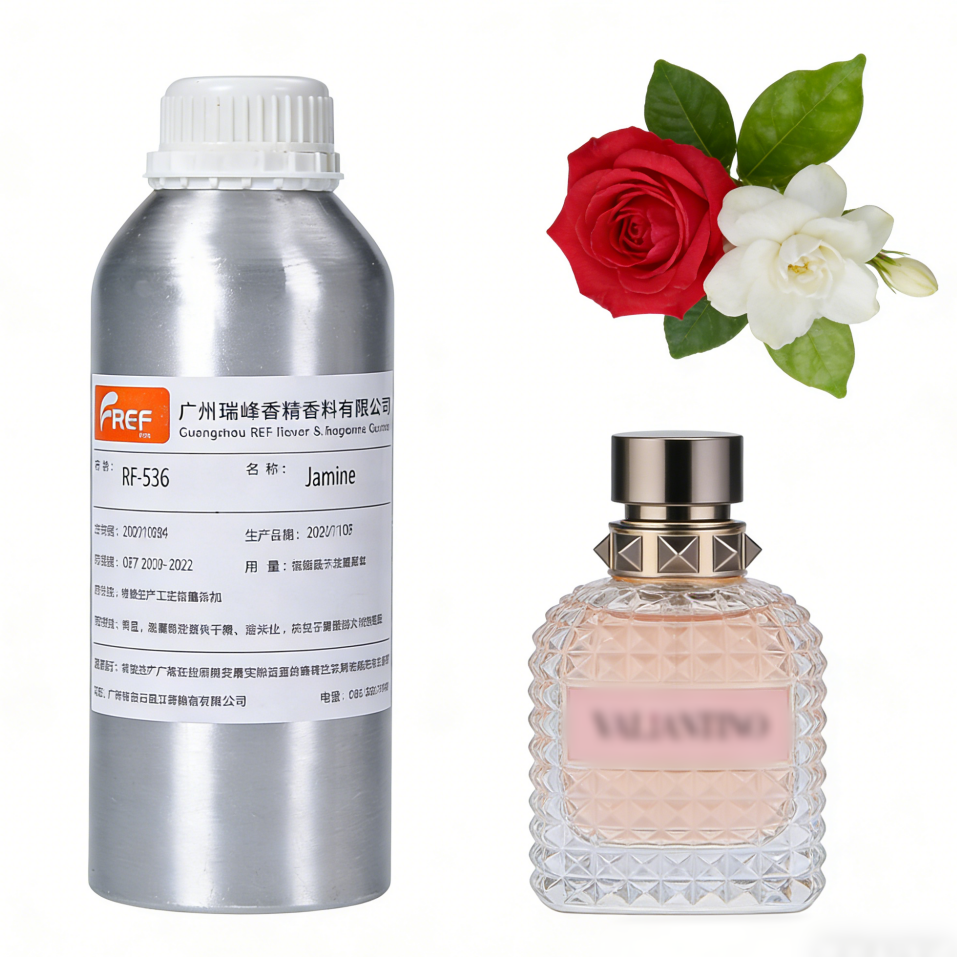
Assessing thermal stress matters greatly for product creators. Candle makers and soap formulators depend heavily on this technical knowledge. You must know exactly how liquids behave under extreme heat. Your entire formulation fails if the scent burns off prematurely.
Flashpoints dictate overall volatility during the manufacturing phase. A flashpoint represents the exact temperature where a liquid begins vaporizing. Most natural extracts feature notoriously low flashpoints. They evaporate rapidly when exposed to high heat environments. Makers often heat pouring wax to 185 degrees Fahrenheit. If a botanical extract has a flashpoint of 130 degrees, the top notes burn off instantly. They degrade entirely before binding effectively inside the hot wax.
Formulators chemically stabilize engineered scents specifically for this reason. They easily withstand high thermal stress without degrading. They anchor the delicate top, middle, and base notes securely. This precise engineering ensures the scent survives the pouring phase intact.
We measure performance using hot and cold throw metrics. Hot throw refers to scent emission while a product actively burns. Cold throw refers to scent emission while it sits solid at room temperature. Natural extracts often provide a remarkably weak hot throw. Their delicate botanical compounds simply cannot survive the open flame. Premium synthetic blends offer highly calibrated, room-filling throws consistently.
Performance Metric | Essential Oils (EOs) | Synthetic Blends (FOs) |
|---|---|---|
Average Flashpoint Range | Low (100°F - 140°F) | Moderate to High (150°F - 200°F+) |
Hot Throw Strength | Generally weak and subtle | Highly calibrated and robust |
Cold Throw Strength | Moderate but fades quickly | Strong and long-lasting |
Wax Binding Capability | Poor under high heat | Excellent structural binding |
Mitigating chemical risk protects end-users and household pets simultaneously. You also avoid serious regulatory compliance violations down the road. We must thoroughly debunk the "natural equals safe" myth completely. Just because an ingredient grows in nature does not make it harmless.
Skin sensitization remains a massive concern for pure botanical extracts. Pure plant extracts arrive highly concentrated from the distiller. They can easily cause severe chemical burns upon direct skin contact. Users risk severe allergic reactions if they fail to dilute them properly. Cold-pressed citrus oils carry an additional phototoxicity risk. Applying them right before heavy sun exposure causes severe blistering.
Household pets face severe biological risks from ambient diffusion. Common botanical extracts pose massive dangers to small animals. Tea tree, eucalyptus, pine, and wintergreen are highly toxic to dogs. Cats lack specific liver enzymes needed to process these phenols. Diffusing certain natural extracts carries a severe liver failure risk for felines. You need strict veterinary evaluation before setting up ambient diffusers.
Reputable synthetics undergo rigorous laboratory testing continuously. The International Fragrance Association (IFRA) regulates them closely. They mandate specific maximum usage rates for safety. These strict guidelines cover direct skin applications and ambient home products. Suppliers issue official IFRA certificates detailing safe percentages for every specific formulation category.
Category 9: Covers wash-off products like bar soaps and body washes. These formulas allow slightly higher usage rates due to minimal skin contact time.
Category 12: Regulates non-skin contact items like air fresheners and wax melts. These products typically allow the highest fragrance loads safely.
Aligning raw material choices with product positioning prevents immediate legal trouble. False advertising ruins brand reputations rapidly today. Consumers scrutinize ingredient labels closer than ever before. You must understand the difference between aesthetic smells and active physiological changes.
True aromatherapy relies strictly on documented pharmacological effects. Plant compounds physically interact with your internal body chemistry. The molecules penetrate the blood-brain barrier effectively. Pure lavender physically causes measurable central nervous system depression. Peppermint physically stimulates cognitive alertness through direct chemical interaction. These extracts change heart rates and blood pressure.
Synthetics trigger psychological scent memories instead of physical changes. A synthetic scent makes you feel relaxed due to mere nostalgia. The smell of synthetic pine might remind you of peaceful winter holidays. We call this the placebo effect driven by scent conditioning. However, it completely lacks any botanical chemical interaction. A synthetic blend cannot deliver genuine pharmacological benefits to the human body.
Buyers looking for real therapeutic benefits need specific markers. When evaluating a true aromatherapy candle, you must look for completely pure components. Adding synthetic musk entirely negates the holistic purpose.
Verify the wax base uses 100 percent natural soy or pure beeswax.
Confirm the label lists pure botanical extracts exclusively.
Check for specific botanical names on the official ingredient list.
Avoid products utilizing terms like "nature-identical" if seeking pharmacological benefits.
Ensure the brand transparently lists the exact extraction methods used.
Financial realities govern how efficiently you scale a product line. Bulk purchases demand careful evaluation of yield and overall stability. Natural extracts require massive amounts of raw plant material. This reality shapes your entire production strategy.
Yield volatility creates enormous supply chain headaches globally. Processors need thousands of rose petals to yield just one single ounce of extract. Climate issues or crop failures trigger extreme volatility in availability. A late frost in France can double the financial investment required for genuine lavender overnight. This sudden spike forces you to either absorb the loss or anger your loyal customers.
Engineered synthetics offer highly predictable formulation scalability. A batch ordered today will smell roughly the same next year. The required financial investment remains incredibly stable over time. You do not worry about seasonal crop shortages disrupting your inventory. The lab controls the output regardless of global weather patterns.
Shortlisting logic dictates specific choices for specific project goals. We strongly recommend mapping your project requirements carefully before buying. Evaluate your target audience before committing to a material.
Application Type | Recommended Material | Primary Justification |
|---|---|---|
Holistic Wellness Items | Natural Extracts (EO) | Provides genuine pharmacological and therapeutic benefits. |
All-Natural Skincare | Natural Extracts (EO) | Ensures maximum label transparency and botanical purity. |
Heavily Scented Soaps | Synthetic Blends (FO) | Delivers predictable formulation scalability and color stability. |
Conceptual Home Goods | Synthetic Blends (FO) | Allows formulators to replicate complex non-botanical scent notes. |
Fragrance oils and essential oils function as fundamentally different chemical tools. One acts as a highly engineered performer designed strictly for maximum scent durability. The other serves strictly as a potent botanical extract utilized for holistic use. They cannot seamlessly replace one another in complex formulations without causing significant structural changes. You must choose the right tool for the right job.
Audit your current project requirements immediately. Consider your specific target audience claims and maximum heat exposure limits. Request formal Safety Data Sheets from your material suppliers. Always demand updated IFRA certificates before committing to a large bulk purchase. Verifying these documents ensures your final product remains entirely safe and compliant.
A: Yes, often called "synthetic blends." Formulators do this to ground a synthetic fragrance with natural top notes, but IFRA safety rates must be calculated for the combined total.
A: High-quality, phthalate-free fragrance oils used within approved guidelines in well-ventilated spaces are generally recognized as safe for ambient scenting.
A: Due to low heat tolerance (flashpoint), the delicate botanical compounds burn off during the wax-melting phase before they can disperse into the air.
A: Only if specifically formulated as "diffuser oils." Thicker fragrance oils meant for soap or candles may clog ultrasonic diffusers or leave heavy residues.
