
close
Choose Your Site
Global
Social Media
Views: 0 Author: Site Editor Publish Time: 2026-05-01 Origin: Site


In the world of fragrance, we’re witnessing more than just the release of new scents. A transformation is unfolding—one where creativity, technology, sustainability, and consumer behavior are converging. Designer perfumes, once anchored in tradition and heritage, are now entering a future defined by inspiration, innovation, and accessibility. In this article, we’ll navigate this evolving landscape: what “designer perfume” means today, how inspired creations (those that reinterpret or evoke classic designer scents) are influencing the market, and what this means for brands, manufacturers, and fragrance lovers alike.
When we say “designer perfume,” traditionally we mean the signature fragrances created by major fashion houses or luxury brands—those bearing names like Chanel, Dior, Tom Ford, and the like. These scents carry the brand’s identity, heritage, marketing muscle, and often premium pricing.
“Inspired creations” are a sub category, perhaps less formal in definition, but highly significant in impact: they refer to fragrances that draw heavily on the scent profile, style, or feel of those designer originals—but often at a more accessible price point or with subtle differences. They aren’t merely knock-offs (which imply infringement) but instead reinterpret or reference classic designer olfactive signatures, making them reachable for broader audiences or niche markets.
This distinction matters because the future of fragrance is being shaped not just by the luxury upper-tier, but by accessible innovations, niche disruptors, and consumers looking for individual expression.
To understand how the future is playing out, let’s look at some of the major forces at work—changes that are altering how designer and designer-inspired fragrances are created, marketed, and consumed.
1. Consumer preferences evolving
Consumers today want more than “smell good.” They want personalization, wellness, meaning, and ethical assurance. A report highlights that fragrance buyers are increasingly expecting convenience, uniqueness, and identity in their scents.
For instance, smaller formats and travel-sized bottles are gaining traction, and niche/unisex offerings are on the rise. In the “inspired perfume” sector, this translates to brands offering reinterpretations of designer classics—but giving them a twist (perhaps a different note, a sustainable reformulation, or a novel marketing angle).
2. Premiumisation and niche growth
Luxury perfumes are not staying static. The global luxury perfume market is projected to reach new heights, with a significant growth trajectory. What drives this? A desire for craft, exclusivity, storytelling, and the “luxury experience.” Designer inspired brands are tapping into the aspiration for luxury but at more accessible levels, thus broadening the market.
3. Sustainability, ethics & sourcing
One of the biggest shifts: fragrance is no longer blind to its environmental and social impact. Sustainable packaging, responsibly sourced ingredients (especially rare woods, resins, musks), and transparency in supply chains are increasingly demanded. For example, a growing trend for 2026 identifies “next gen sustainability (conscious & upcycled)” as a core driver.
For designer and inspired creations alike, this means reformulating, rethinking sourcing, and aligning brand messaging with ethical values.
4. Technology and personalisation
Technology is penetrating fragrance creation, sampling, and marketing. From AI driven scent development, virtual reality fragrance experiences, to digital scent wardrobes, the line between fragrance and tech is blurring.
On the business side, inspired creations can leverage these technologies to offer highly personalized or limited-edition scents, micro-batches, even direct-to-consumer models.
5. Distribution & format innovation
Traditional bottle launches are being complemented (or replaced) by alternative formats: solid perfumes, alcohol-free mists, oil-based extracts, travel sizes, refillables. According to global trend overviews, growth in alternative formats is notable.
This means designer fragrances—and inspired ones—need to think beyond “classic 50 ml glass bottle” to meet new consumption habits.
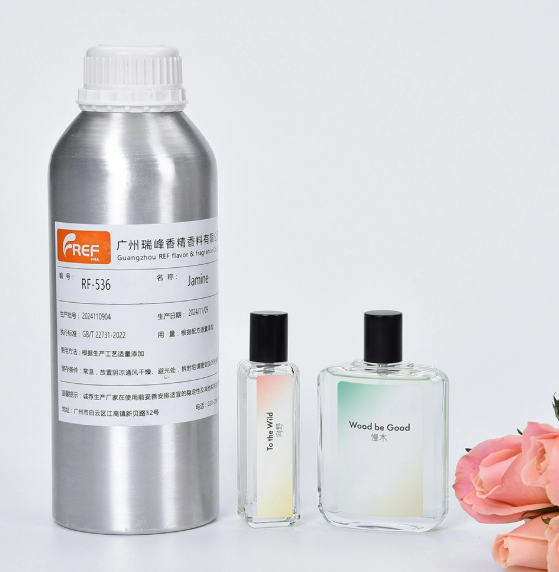
With these forces at play, inspired creations are doing more than riding waves—they’re reshaping how the fragrance industry functions. Here are five ways they’re leading the charge:
a) Democratizing luxury scent profiles
Designer original fragrances often carry high price tags, making them relatively inaccessible for many consumers. Inspired creations offer scent profiles that echo those designer signatures but at a lower cost or with alternative value propositions (e.g., smaller sizes, direct-to-consumer). This opens up luxury fragrances to a broader audience and creates new market segments.
b) Speed and agility in sample-to-market
Inspired brands or divisions can act faster: sampling, small-batch production, and direct feedback loops via social media. That means trends can be responded to quickly—for example, new gourmand food-inspired notes, new scent layering concepts, etc. This agility contrasts with legacy designer houses, which often navigate longer product-development timelines.
c) Transparency and authenticity as differentiators
Consumers increasingly value authenticity: the story behind the scent, the ingredient sourcing, ethical practices. Inspired brands often emphasize these attributes (e.g., niche sourcing, limited editions). Designer houses are catching up too, but the pace is different.
With inspired creation brands spotlighting “craft behind the scent,” they apply pressure on legacy brands to re-examine their approach.
d) Customized and collaborative experiences
Inspired perfumery increasingly offers co-creation, personalization, even “you design your scent” models. Technology-driven platforms allow users to tweak notes or create small-batch bespoke. This changes the paradigm from “mass designer launch” to “interactive fragrance experience.”
e) Marketing via digital natives and social media
Where classic designer perfumes once relied heavily on print media, celebrity endorsements, and department-store launches, the inspired creation segment leans into influencer culture, social media, niche communities, subscription models, and sample kits.
This shift means that scent discovery and fragrance culture are more democratized, interactive, and participatory.
For a brand or manufacturer in the fragrance business, these shifts offer both opportunities and challenges. If you’re working in or alongside designer-inspired fragrance creation, these are key strategic considerations.
Ingredient strategy and sourcing
Since sustainability and provenance matter, having a transparent and responsible supply chain becomes a differentiator. Rare ingredients are under pressure—regulation, ethical sourcing, cost. Brands that build stories around their ingredients (e.g., sustainably harvested oud, up-cycled citrus peel oils) stand out.
Flexibility in production and formats
Being able to pivot quickly, offer smaller runs, customized batches, and alternative formats (oils, solids, travel sizes, refillables) gives brands agility. This is especially relevant in the inspired creation space.
Digital engagement and community building
Fragrance is no longer just “spray and forget.” It’s part of lifestyle, social media sharing, collectible culture. Brands must engage communities, offer experiences (on-line, offline), leverage influencers and drip marketing.
Technology integration
From AI in scent formulation, virtual-try-ons, augmented reality scent launch events—technology can enhance experience and scale novel offerings. Manufacturers that adopt tech early may gain a competitive edge.
Brand positioning & storytelling
Designer-inspired fragrances need clarity: are you offering a reinterpretation of a classic? Are you offering something entirely new but with designer-level DNA? The brand story matters—what does your scent stand for, who is your customer, what is the emotional promise?
Regulatory & sustainability compliance
The fragrance industry is highly regulated (skin safety, allergens, restricted materials). New legislation (e.g., bans on certain aroma chemicals) is shaping formulation.
Brands and manufacturers must be agile in reformulation and compliant in sourcing.
Let’s peek into the next five years and sketch some plausible directions for designer and inspired perfume.
Short-batch & limited-edition drops: Consumers will continue to crave exclusivity but also uniqueness. Micro-drops, seasonal releases, collaborations with artists/influencers will become more frequent.
Fragrance as wellness & lifestyle: Scents that signal mood, function (relaxation, focus, energy), or even link to wearable tech or sensory enhancement will grow.
Designer-inspired brands can lean into this, offering “luxury with benefit”—not just smell but feel.
Hyper-personalization: From DNAinfluenced scent design, to AIcurated fragrance wardrobes, to interactive apps that guide you to custom scent combos. Technology will make personalized luxury scent more accessible.
Ingredient innovation & sustainability premium: Expect to see more biotech ingredients (synthetic nature-identical molecules produced sustainably), more up-cycling of waste materials into fragrance ingredients, transparent sourcing, and environmental impact disclosures.
This will become a key credibility factor.
Globalization of luxury scent cultures: While Europe remains a perfume heritage hub, regions like Asia-Pacific are growing fastest (in luxury perfume market).
Inspired creations will increasingly reflect global scent vocabularies, not just Western ones.
New formats and consumption models: Subscription services, travel-kits, re-fillable pods, digital scent experiences. The purchase model for luxury scent is evolving.
The rise of designer-inspired perfumes isn’t just about cheaper alternatives—it’s about innovation, accessibility, and new business models. For brands producing these inspired creations:
You can capture aspirational buyers who want designer-quality scent but at a different price point or distribution model.
You must ensure authenticity: customers are more fragrance-savvy than ever. If you claim “inspired by designer X,” you better deliver quality, longevity, recognizable DNA, and honest marketing.
You can capitalize on storytelling: behind the scenes, ingredient sourcing, craft, niche origins. This resonates more than generic luxury claims.
You must compete on experience: packaging, discovery (samplers, social media engagement), formats, personalization—they matter equally to the scent itself.
You must be agile: keep pace with trends, emerging ingredients, regulatory shifts, and new consumer behaviors.
The fragrance industry isn’t slowing down—in fact, it’s growing, diversifying, and reinventing. For designer perfume houses, this means rebooting heritage, exploring new narratives, collaborating with tech, and adapting to new consumer realities. For inspired-creation brands, it means opportunity: to democratize luxury scent, to innovate, to carve new niches, and to build communities.
At Guangzhou Ruifeng Flavor & Fragrance Co., Ltd., we are committed to helping fragrance brands navigate the future of perfumery. With a deep understanding of global trends, cutting edge technology, and an unwavering commitment to quality and sustainability, we are poised to support brands that are looking to create designer inspired fragrances that resonate with modern consumers. Whether you are creating reinterpretations of classic perfumes or innovating new scents, we are here to help bring your vision to life.
