
close
Choose Your Site
Global
Social Media
Views: 0 Author: Site Editor Publish Time: 2026-05-27 Origin: Site


Perfume is not just about fragrance—it's a deeply personal experience that transcends time and culture. For centuries, the Middle East has been the cradle of some of the world's most captivating and luxurious scents. The rich cultural history, combined with the artistry of perfume-making, has made the region the birthplace of some of the most revered and sought-after fragrances in the world. The unique olfactory traditions of the Middle East offer a sensory journey that reflects both the elegance and mystique of this fascinating region.
In this article, we will explore the secrets of original Middle Eastern perfume fragrances. We will dive into the cultural history behind these scents, the unique ingredients that make them so special, and why they continue to captivate fragrance lovers around the globe. By the end, you’ll have a deeper understanding of why Middle Eastern perfumes are considered timeless treasures and why they remain a symbol of luxury and sophistication.
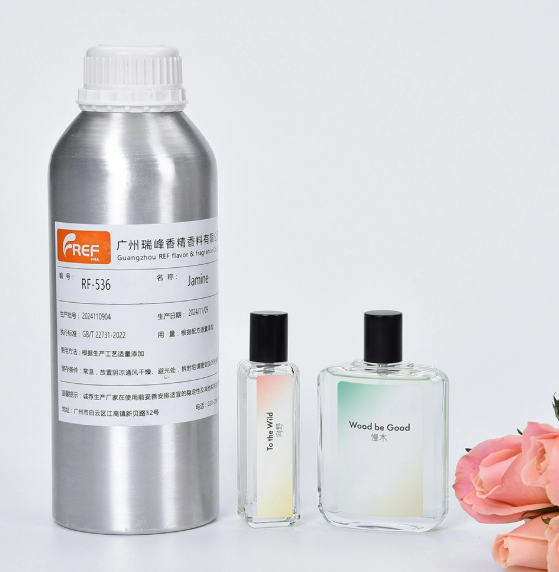
Perfume-making in the Middle East is not a recent phenomenon. The art of crafting scents dates back thousands of years, with the earliest evidence of perfume use found in ancient Mesopotamia, Egypt, and Arabia. For the people of the Middle East, fragrance has always been a key part of life—whether it was used for religious ceremonies, personal adornment, or social occasions, perfumes were woven into the very fabric of daily existence.
The first known records of perfume production come from the ancient Egyptians, who used aromatic oils in religious rituals and for personal use. They created perfumes from a blend of flowers, spices, and resins, which were often burned as incense or worn as oils. However, it was in the Arabian Peninsula that the art of perfumery truly flourished.
The Bedouins, an indigenous group of nomadic tribes in the Arabian Desert, are credited with perfecting the art of perfume-making. They understood the complex relationships between different ingredients and their ability to create scents that could endure the harsh climate of the desert. Over time, these practices spread across the Middle East and eventually to Europe and beyond.
In the Middle East, perfume is more than just a luxury product; it is a symbol of hospitality, status, and respect. The act of offering perfume to guests is seen as an expression of warmth and generosity. Traditional perfumed oils, such as oud and musk, are often burned in homes, especially during important occasions like weddings and religious celebrations.
Perfume is also closely tied to identity and personal expression. In Middle Eastern cultures, fragrances are used to enhance one’s aura and leave a lasting impression. Whether it’s the sweet and floral scents that signify femininity or the warm, woody notes that convey masculinity, perfume plays a significant role in shaping how individuals present themselves to the world.
Moreover, perfume is a vital component of many religious and spiritual rituals in the Middle East. The scent of burning incense or perfumed oils is often associated with purification, prayer, and meditation. In Islamic traditions, for instance, fragrance plays an important role in rituals such as the daily prayer (salat), where the use of oud or other fragrant substances is seen as a way to elevate one’s spiritual connection.
One of the defining features of Middle Eastern perfumes is the use of rich, luxurious, and often rare ingredients. These ingredients are carefully selected for their ability to evoke deep emotional responses and create complex, long-lasting fragrances. Some of the most iconic ingredients found in Middle Eastern perfumes include:
Oud (Agarwood):
Oud is perhaps the most famous ingredient in Middle Eastern perfumes, and it has been used for centuries in the region. It comes from the wood of the Aquilaria tree, which is found in Southeast Asia. When the tree becomes infected with a specific fungus, it produces a dark, fragrant resin known as oud. The resin is then harvested, distilled, and turned into a rich, smoky, and woody fragrance. Oud is prized for its deep, musky aroma and is often used as a base note in many Middle Eastern perfumes. It has a powerful and long-lasting scent that lingers on the skin for hours.
Musk:
Musk has been used in Middle Eastern perfumery for centuries due to its warm, sensual, and earthy fragrance. Derived from the glands of the musk deer, it is a highly prized ingredient in the creation of both men’s and women’s fragrances. Musk imparts a rich, animalistic quality to perfumes and blends beautifully with other notes such as rose, jasmine, and sandalwood.
Rose:
The rose is a symbol of beauty and love in many cultures, and in the Middle East, it has been used in perfumes for thousands of years. Middle Eastern roses, particularly the Damascus rose, are known for their intense, sweet, and complex scent. This floral note is often blended with oud, amber, or musk to create a rich, layered fragrance that is both uplifting and luxurious.
Saffron:
Saffron, the golden spice, is another ingredient frequently used in Middle Eastern perfumes. Known for its unique, slightly sweet, and leathery fragrance, saffron adds a touch of opulence and sophistication to perfumes. It is often paired with floral and woody notes, creating a balanced yet exotic aroma.
Amber:
Amber is a resinous material with a warm, sweet, and slightly balsamic fragrance. In Middle Eastern perfumes, amber is often used as a base note, giving the fragrance depth and longevity. It blends well with other heavy ingredients like oud and musk, creating a smooth, balanced scent.
Frankincense and Myrrh:
These two resinous substances have been used in religious and spiritual practices for millennia. Frankincense has a sharp, incense-like aroma, while myrrh is warm, spicy, and balsamic. Both ingredients are frequently found in Middle Eastern perfumes, often evoking a sense of mysticism and spirituality.
Creating a Middle Eastern perfume is an intricate and artful process that requires both skill and patience. Unlike Western perfumery, which often relies on alcohol as a base, Middle Eastern perfumes are typically made using oils and resins. The perfume-making process often begins with the distillation of raw ingredients to extract their essential oils. These oils are then carefully blended together to create the desired fragrance profile.
The creation of a perfume involves creating layers of fragrance, or "notes," that will develop over time. The top notes are the initial scents you smell when you first apply the perfume. These are often lighter and more volatile, such as citrus or floral notes. The middle notes are the heart of the fragrance, providing depth and richness. Base notes, such as oud, musk, and amber, give the perfume its lasting power and depth.
Middle Eastern perfumers take great care in selecting and blending ingredients, often experimenting with different combinations to create a harmonious and unique fragrance. Many perfumers in the region use traditional methods passed down through generations, and the craft remains highly regarded for its deep cultural significance and expert techniques.
What sets Middle Eastern perfumes apart from others in the world of fragrance is their depth, complexity, and richness. The perfumes are not merely about the immediate scent—they are about creating a lasting experience that lingers on the skin and in the memory.
Intensity and Longevity:
Middle Eastern perfumes are renowned for their intense fragrance and long-lasting power. The use of oil-based formulations and rich ingredients like oud and musk ensures that the scent can last for hours, sometimes even days. This contrasts with many Western perfumes, which are typically alcohol-based and may fade quicker.
Layered Complexity:
Unlike many Western perfumes, which often focus on a single dominant note or scent family, Middle Eastern perfumes are known for their multi-layered complexity. The blending of different notes—such as floral, woody, and spicy—creates a fragrance that evolves over time, providing a rich and dynamic experience for the wearer.
Cultural and Spiritual Significance:
In the Middle East, perfume is not just about luxury; it is also about connection to culture, spirituality, and tradition. The scents evoke a deep sense of heritage and often carry symbolic meanings that go beyond simple fragrance. For example, the use of oud can symbolize strength and resilience, while rose represents beauty and love.
Uniqueness and Exclusivity:
Middle Eastern perfumes are often crafted in small batches, using rare and expensive ingredients. This exclusivity contributes to their allure, making them coveted by perfume collectors and enthusiasts around the world.
In recent years, Middle Eastern perfumes have gained increasing popularity in the global market. This is due in part to the growing demand for niche, high-quality fragrances, as well as the rise of e-commerce platforms that make it easier for people worldwide to access these unique scents. Additionally, the growing interest in Middle Eastern culture and its luxurious lifestyle has fueled the desire for these perfumes.
The global recognition of oud and other Middle Eastern ingredients has contributed to their widespread appeal. Fragrance enthusiasts are increasingly drawn to the depth and complexity of these perfumes, as well as their long-lasting and potent nature. Many luxury perfume brands have also begun incorporating Middle Eastern influences into their own collections, further boosting the region's prominence in the fragrance world.
Middle Eastern perfumes are more than just fragrances—they are a reflection of centuries of tradition, culture, and artistry. From the smoky allure of oud to the delicate sweetness of rose, these perfumes offer an unforgettable olfactory experience that transcends time and place. Whether you're drawn to their rich cultural significance, their luxurious ingredients, or their complex and long-lasting scents, there's no denying the allure of Middle Eastern perfumes.
By understanding the history, ingredients, and craftsmanship behind these fragrances, you can appreciate the true essence of what makes them so special. So, whether you're a perfume enthusiast or a newcomer to the world of Middle Eastern scents, it's time to embark on your own olfactory journey and discover the secrets of these luxurious and timeless perfumes.
