
close
Choose Your Site
Global
Social Media
Views: 0 Author: Site Editor Publish Time: 2026-06-28 Origin: Site


Transitioning from generic scent curiosity to professional formulation presents distinct challenges. You enter an exciting but heavily complex landscape. Formulators often navigate an unregulated-seeming market where ingredient clarity remains rare. Marketers frequently misuse buzzwords like "natural" and "synthetic" to move inventory. This creates significant friction and costly confusion for buyers. Choosing the optimal scent profile requires a delicate, highly informed balance. We must carefully evaluate olfactory performance, chemical stability, and strict regulatory compliance. Standardizing production processes also plays a crucial role in long-term success. This guide offers a pragmatic, evidence-based framework for confident sourcing. We provide clear insights for makers deciding which aromatic compounds to implement. You will learn how to evaluate raw materials for diverse product lines. Applications range from curing cold-process soaps to pouring a commercial aromatherapy candle.
Engineered Consistency: Fragrance oils are meticulously formulated blends of aroma chemicals and natural extracts designed for specific performance metrics, unlike highly variable crop-dependent essential oils.
Performance Trumps Purity in Certain Mediums: Synthetics offer superior heat stability (flashpoints) and scent throw, making them necessary for scalable candle and cosmetic production.
Compliance is Non-Negotiable: A high-quality fragrance oil is always backed by transparent documentation, specifically an IFRA (International Fragrance Association) certificate and a Safety Data Sheet (SDS).
The "Natural" Spectrum: Natural fragrance oils exist (ISO 9235 compliant) but require rigorous supplier verification to avoid greenwashing claims.
Understanding aromatic chemistry begins by defining the basic baseline. A true fragrance oil is a manufactured aromatic blend. It consists of a carrier solvent and proprietary scent molecules. Chemists rely heavily on solvents like Dipropylene Glycol (DPG). DPG dilutes highly concentrated aroma chemicals safely. It helps the scent molecules bind effectively into various product bases. Formulators tweak these ratios to achieve specific viscosity and diffusion rates.
The industry categorizes these oils into three distinct formulation families. We must understand these categories to avoid application failures.
Synthetics: Laboratories create these aroma chemicals to optimize stability. They provide unique scent profiles unobtainable in nature. Examples include aquatic notes, leather accords, and ethical musk variants. Synthetics guarantee exact batch-to-batch consistency.
Natural Fragrance Oils: These blends consist solely of isolates extracted from raw botanicals. They must comply strictly with the ISO 9235 standard. Chemists isolate specific scent molecules directly from plant matter. They then recombine these natural isolates into stable, predictable profiles.
Blends: Many popular oils combine synthetic molecules and raw essential oils. The essential oils ground the overall scent profile. The synthetic components boost heat resistance and shelf longevity.
Implementation risks run high when makers misunderstand these chemical nuances. Some formulators assume all aromatic oils behave identically. They ignore the underlying chemical makeup entirely. These assumptions frequently lead to ruined production batches. The chosen solvent base heavily dictates solubility. Some blends dissolve perfectly in melted wax. Others only dissolve in water or high-proof perfumer's alcohol. You must match the oil's formulation precisely to your intended medium.
Formulators constantly weigh the choice between manufactured aromatics and pure essential oils. Cost and scalability drive most commercial decisions. Fragrance formulations offer predictable, standardized pricing. Laboratories manufacture them year-round without weather interruptions. Essential oils suffer from extremely volatile pricing structures. Droughts, poor harvests, and global supply chain issues impact yield dependencies heavily. A bad lavender crop can quadruple your raw material costs overnight.
The formulation dilemma becomes obvious when developing specific products. Consider the complexities of creating an aromatherapy candle. Essential oils certainly offer powerful marketing value. They support holistic wellness claims effectively. However, raw botanicals often perform poorly under direct heat. They burn off far too quickly due to inherently low flashpoints. The resulting scent throw usually disappoints end consumers.
Manufactured aromatics solve these specific heat-related limitations. They offer vastly superior hot and cold throw capabilities. Their longevity outlasts botanical extracts significantly. You cannot legally or ethically attach therapeutic "aromatherapy" claims to synthetic blends. However, you deliver a much stronger, more reliable olfactory experience.
Comparison Dimension | Manufactured Fragrance Oils | Pure Essential Oils |
|---|---|---|
Cost Stability | Highly stable; predictable year-round pricing. | Volatile; heavily dependent on crop yields and weather. |
Heat Tolerance | Excellent; engineered for high flashpoints and hot throw. | Poor; molecules degrade quickly under direct heat. |
Scent Variety | Unlimited; includes fantasy notes (ocean, bakery, leather). | Limited strictly to extractable plant botanicals. |
Therapeutic Claims | None; cannot claim holistic or medical benefits legally. | High; commonly used for aromatherapy marketing claims. |
Sustainability realities also surprise many new formulators. Pure botanicals carry a surprisingly heavy ecological burden. Producing a single ounce of rose essential oil requires thousands of pounds of fresh petals. Over-harvesting threatens vital species like Indian sandalwood and frankincense. Lab-grown synthetic alternatives offer impressive low-impact efficiency. They replicate endangered scent profiles perfectly without disrupting fragile global ecosystems.
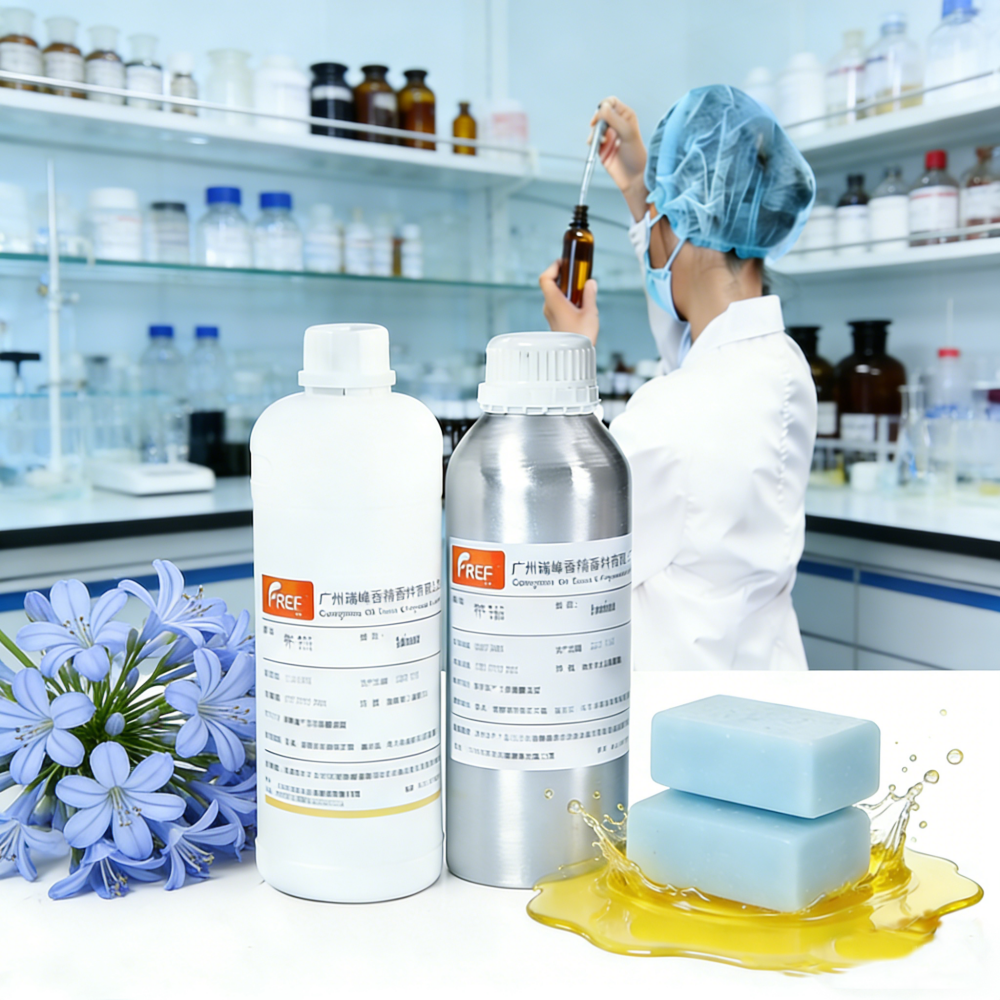
Every aromatic liquid behaves differently once introduced to a base medium. Flashpoints and heat tolerance dictate early success. A flashpoint represents the exact temperature where vapor combusts near an open flame. This metric deeply impacts candle making and hot-process soap manufacturing. Adding aromatic blends at temperatures above their listed flashpoint causes immediate evaporation. The scent literally burns off before the product ever cures.
Understanding curing, binding, and scent throw separates amateurs from professionals. Aromatic molecules must bind structurally into wax or soap matrices. This binding process requires adequate curing time. We evaluate the results using two distinct metrics. "Cold throw" defines the unlit, ambient scent strength of a cured product. "Hot throw" measures the scent diffusion while the product actively burns or melts.
Chemical reactions during manufacturing require careful monitoring. Unexpected discoloration plagues many soap makers. High vanillin content remains the primary culprit. Any aromatic liquid containing vanillin will turn cold-process soaps brown over several weeks. Some synthetic compounds also cause "seizing" or accelerated trace. This rapid hardening ruins intricate soap designs instantly.
You must challenge your own testing assumptions constantly. Never skip small-batch testing protocols. An aromatic blend often smells fantastic straight out of the bottle (OOB). However, this OOB experience rarely reflects the final cured scent. Exposure to intense heat or caustic lye transforms molecular structures drastically. Small-scale testing prevents costly large-scale manufacturing disasters.
Fear-mongering around synthetic ingredients dominates modern wellness marketing. We must actively debunk the "toxic" myth using evidence-based industry standards. Manufactured aromatics undergo far more rigorous safety testing than many raw agricultural products. Strict regulatory frameworks govern their production and distribution globally. High-quality fragrance oil formulation relies on proven safety data, not guesswork.
The International Fragrance Association (IFRA) serves as the ultimate global authority. IFRA establishes strict safety standards based on extensive dermatological research. Formulators must verify IFRA maximum usage rates before mixing anything. IFRA divides consumer products into specific numbered categories. Category 4 covers leave-on body lotions, requiring very strict dermal limits. Category 12 covers ambient items like candles, allowing much higher usage percentages safely. Ignoring these category limits invites serious liability.
Phthalates historically served as inexpensive solvents and scent fixatives. The industry used Diethyl Phthalate (DEP) to extend scent longevity. Consumer safety concerns and shifting regulations changed this dynamic entirely. The modern industry standard now demands phthalate-free formulations. You must also check for California Proposition 65 compliance. Prop 65 lists chemicals known to cause reproductive harm. Reputable labs formulate strictly around these restricted lists to ensure consumer safety.
Documentation demands separate trustworthy vendors from amateur sellers. You must demand transparency before purchasing any raw materials. Walk away from any supplier failing to provide immediate safety paperwork. A professional vendor freely supplies an updated Safety Data Sheet (SDS). They also provide a current IFRA certificate matching the exact batch. This documentation guarantees regulatory compliance and protects your brand legally.
Sourcing raw materials requires a highly critical eye. Certain red flags indicate severe quality control issues. We strongly warn against purchasing aromatic blends from generic retail marketplaces like Amazon. Hobbyist craft store chains also present significant risks. These mass-market avenues frequently lack batch consistency. They rarely provide the necessary SDS or IFRA documentation. Buying from unverified third-party sellers jeopardizes your entire production line.
You should conduct a strict transparency check on every prospective supplier. A reputable vendor operates with complete public transparency. They list critical chemical data directly on the product page. You should immediately see the exact vanillin content percentage. The listing must display the precise flashpoint temperature. Phthalate-free status and specific gravity metrics should remain highly visible. Hidden data usually indicates inferior, heavily diluted products.
Implementing a rigid sample strategy saves money and reduces waste. We recommend purchasing tiny 1 oz sample bottles initially. Never commit to buying bulk jugs until you verify performance personally. Establish a strict Standard Operating Procedure (SOP) for your testing phase.
Isolate Variables: Use an uncolored, unadulterated base material. Do not add dyes or micas during the initial scent test.
Measure Precisely: Weigh all liquids by grams, never by fluid volume. Specific gravities vary wildly between different blends.
Document Temperatures: Record the exact temperature when adding the scent to your melted wax or soap batter.
Evaluate Throw: Test the cold throw after 48 hours. Test the hot throw after a full two-week cure.
Monitor Discoloration: Observe the cured sample for four weeks to check for unexpected vanillin browning.
Manufactured aromatic blends are not inferior substitutes for pure botanical extracts. They represent distinct, highly engineered tools required for scalable, high-performance applications. Synthetics offer unmatched heat stability, predictable cost structures, and endless creative profiles. True professional formulation requires a deep understanding of chemical compatibility and safety limits.
Your immediate next step involves auditing your current ingredient supply chain. Request updated IFRA compliance certificates and SDS paperwork from all prospective vendors. Implement the small-batch testing SOP detailed above for your next product line. By prioritizing documentation and rigorous testing, you ensure product safety, brand credibility, and superior customer satisfaction.
A: Yes, they are safe when used correctly. You must follow the exact maximum usage limits outlined in the supplier's IFRA certificate. IFRA categorizes products by exposure levels. Always check the specific category for your product type, such as Category 4 for lotions, before formulating.
A: Most manufactured aromatic blends remain viable for one to two years. Oxidation degrades the scent molecules over time. To maximize shelf life, store them in dark amber glass or PET plastic bottles. Keep them in a cool, dark environment away from direct sunlight.
A: Yes, many formulators successfully blend them to create unique, complex scent profiles. The synthetic components boost heat resistance, while essential oils provide earthy base notes. However, you must carefully recalculate your overall safety limits based on the combined IFRA and dermal maximums.
A: These liquids arrive highly concentrated. Smelling them directly out of the bottle overwhelms your olfactory receptors, often producing a harsh, chemical, or fuel-like odor. The true, balanced scent profile only blooms once properly diluted into a carrier medium like wax or soap.
