
close
Choose Your Site
Global
Social Media
Views: 0 Author: Site Editor Publish Time: 2026-07-26 Origin: Site


Aesthetic degradation—specifically unexpected color shifts—is a leading cause of premature product recalls, retailer rejections, and consumer trust erosion in the household and personal care markets. Formulators and procurement teams frequently encounter instability when integrating daily chemical fragrances into complex bases. During prolonged storage, environmental stressors trigger chemical reactions between fragrance compounds and base ingredients. This results in yellowing, browning, or complete color transformation, often accompanied by a loss of olfactory character and scent fading.
Preventing these costly formulation failures requires moving beyond basic scent profiling. You must understand how environmental factors interact with volatile compounds over time. This guide breaks down the chemical mechanisms behind fragrance discoloration, establishes a framework for evaluating raw material stability, and outlines critical criteria for selecting reliable fragrance suppliers.
Oxidation, headspace air, and UV degradation are the primary catalysts: Exposure to light, heat, and trapped oxygen accelerates molecular breakdown in fragrance compounds, particularly those containing aldehydes, amines, and specific phenolic structures.
Ingredient profiles dictate risk levels: Compounds like vanillin, indole (common in synthetic floral fragrance oil), natural resins, and citrus derivatives are highly susceptible to discoloration and require targeted stabilization strategies.
Base compatibility is non-negotiable: A fragrance that remains stable in a neutral lotion may rapidly discolor in a high-pH laundry fragrance oil application due to surfactant and alkaline interactions.
Packaging permeability and cross-contamination represent hidden risks: Fragrance molecules can migrate through plastic barriers or react with bulk packaging materials during transit and storage, driving localized color shifts.
Rigorous stability testing mitigates commercial risk: Implementing accelerated aging protocols, testing container seal integrity, and evaluating supplier QA/QC documentation are mandatory steps before finalizing procurement decisions.
Oxygen exposure initiates free radical chain reactions that fundamentally alter the molecular structure of fragrance compounds. This degradation often begins during manufacturing but accelerates rapidly inside permeable packaging. When volatile oils interact with oxygen, they form hydroperoxides. These unstable intermediates break down into secondary oxidation products, leading directly to visible color shifts and unpleasant off-odors. In a production environment, managing oxygen exposure requires strict protocols during the mixing and filling stages.
Headspace oxidation remains a persistent challenge for formulators. The ambient air trapped in the top of a sealed container during the bottling process provides enough oxygen to cause significant degradation, even if you store the product in a dark, dry environment. Unsaturated bonds in terpenes, such as limonene and linalool, are particularly vulnerable. As these terpenes oxidize, they lose their crisp olfactory profile and often contribute to a yellowing effect in clear formulations. To combat this, manufacturers often employ nitrogen purging to displace oxygen before sealing.
Purge mixing vessels with nitrogen to displace ambient oxygen.
Minimize the physical headspace volume in the final retail packaging.
Utilize vacuum filling techniques to reduce trapped air.
Store bulk fragrance oils in completely full, tightly sealed containers.
The Schiff Base reaction is a classic condensation process where an aldehyde or ketone reacts with a primary amine, releasing water and forming an imine. In the context of formulation, this chemical interaction is a notorious failure point. Many popular fragrance notes rely on aldehydes for their fresh, fruity, or floral characteristics. When these aldehydes encounter amines present in surfactants or active ingredients, the reaction proceeds rapidly, especially under warm storage conditions.
When you mix specific fragrance components, like methyl anthranilate, with nitrogen-containing active ingredients, a Schiff Base reaction is almost inevitable. The resulting compounds are highly chromophoric. This means they absorb specific wavelengths of light, reflecting bright yellow, orange, or deep brown hues. Formulators must carefully audit their base ingredients for primary amines before introducing aldehyde-rich scent profiles. Substituting primary amines with secondary or tertiary amines can sometimes mitigate this risk without compromising the base formula's performance.
Ultraviolet light possesses enough energy to break the chemical bonds within complex fragrance molecules. This photochemical degradation alters the chromophores—the specific parts of the molecule responsible for absorbing and reflecting light. When UV radiation cleaves these bonds, the original color of the formulation shifts, often darkening or turning muddy. This is particularly problematic for products displayed in windows or under intense retail lighting.
The compounding effect of UV exposure and ambient retail lighting creates severe stability issues for products housed in clear packaging. Fluorescent and LED lights in retail environments emit radiation that, over weeks or months, degrades both the visual appearance and the scent integrity. Simultaneous color fading and olfactory degradation require robust UV protection strategies. Formulators typically address this by incorporating UV absorbers directly into the liquid base or by specifying UV-blocking additives for the plastic packaging.
Extreme heat during warehousing, transit, and retail display acts as a powerful catalyst for chemical degradation. Following the Arrhenius equation principle, every 10°C increase in storage temperature exponentially accelerates the chemical reactions responsible for discoloration. A product that remains stable for a year at 20°C might degrade in mere weeks when exposed to 40°C in a shipping container. Supply chain logistics must account for these temperature variables to ensure product integrity upon arrival.
Furthermore, supply chains often harbor destructive microclimates. Localized humidity and temperature spikes can occur within closed storage boxes or shrink-wrapped pallets, even when stored inside climate-controlled facilities. These microclimates trigger rapid oxidation and hydrolysis, leading to inconsistent discoloration rates across a single production batch. Implementing temperature data loggers during transit provides valuable insights into the actual conditions products face, allowing for better formulation adjustments.
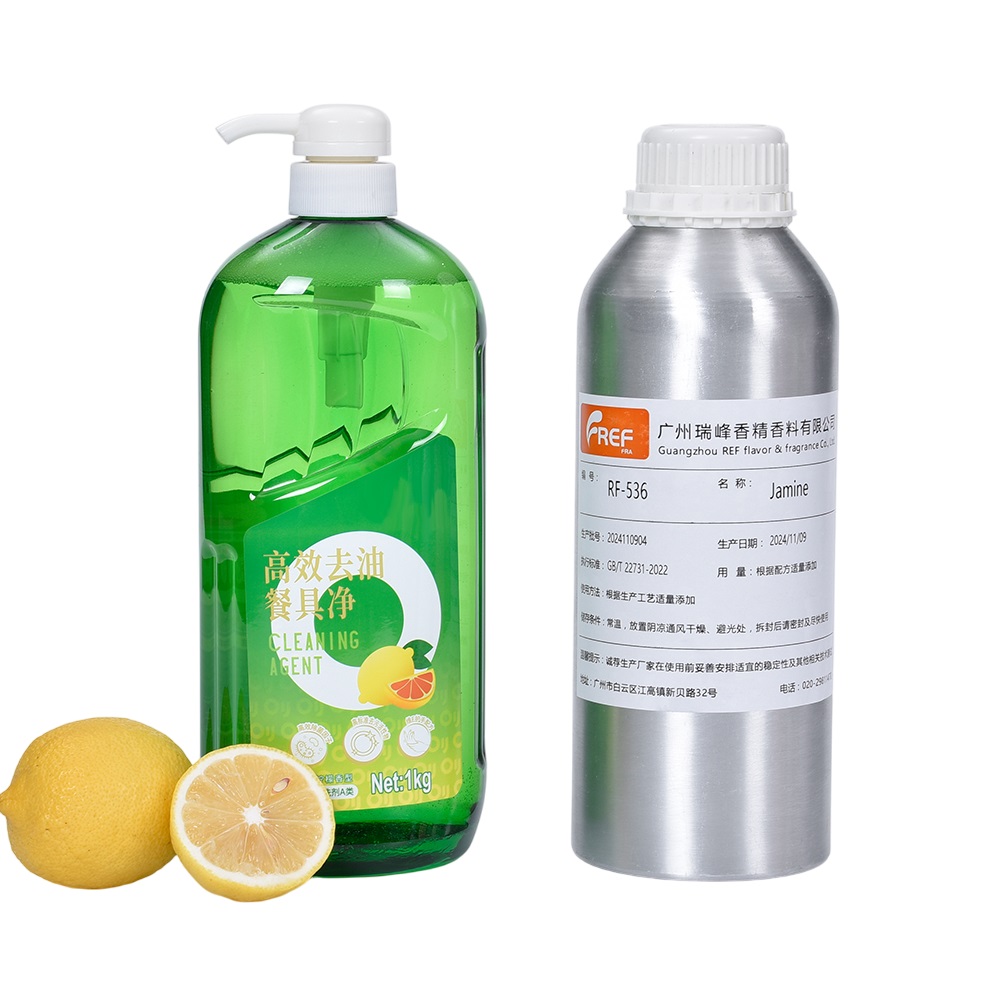
Certain synthetic and natural isolates carry a high inherent risk for color shifts. Indole, a crucial component for achieving authentic jasmine or gardenia profiles in synthetic floral fragrance oil, frequently oxidizes to a pink or reddish hue. Vanillin and ethyl vanillin are notorious for turning formulations deep brown over time. Eugenol, responsible for clove and spice notes, typically yellows as it ages. Identifying these components early in the development phase is critical for setting realistic shelf-life expectations.
Natural resins and balsams, such as benzoin and labdanum, naturally darken due to slow polymerization and oxidation. Formulators must weigh the trade-offs between utilizing authentic-smelling but unstable isolates versus highly stable, color-fast synthetic alternatives. While stable synthetics prevent discoloration, they may slightly alter the intended olfactory profile, requiring careful sensory evaluation. The table below outlines common high-risk components and their typical discoloration pathways.
Fragrance Component | Typical Olfactory Profile | Primary Discoloration Risk | Observed Color Shift |
|---|---|---|---|
Indole | Jasmine, Gardenia | Oxidation | Pink to Red |
Vanillin | Vanilla, Sweet | Oxidation / Schiff Base | Yellow to Dark Brown |
Eugenol | Clove, Spicy | Oxidation | Yellowing |
Methyl Anthranilate | Grape, Orange Blossom | Schiff Base Reaction | Bright Yellow to Orange |
Citrus Terpenes | Lemon, Orange | Oxidation (Hydroperoxides) | Slight Yellowing, Cloudiness |
Heavy-duty detergents and fabric softeners present harsh, highly alkaline environments. High pH levels accelerate the hydrolysis of esters and the rapid degradation of aldehydes. When formulating for these applications, standard scent compounds will fail, necessitating specialized, alkali-stable daily chemical fragrances. The chemical bonds in many standard fragrance molecules simply cannot withstand prolonged exposure to pH levels above 9.0.
Evaluating the performance of laundry fragrance oil requires testing under extreme conditions. Long-term storage in high-alkaline liquid formats poses different risks than powder formats. Liquids facilitate continuous chemical interactions, while powders may cause localized spotting or discoloration if the fragrance oil migrates or reacts with specific bleaching agents. Formulators must select fragrance molecules specifically engineered for alkaline stability, often relying on robust synthetic musks and stable ethers.
Fragrance molecules are highly volatile and can migrate through low-density plastics via sorption and permeation. During transit or bulk storage, these molecules can escape their primary containers. This migration not only depletes the scent intensity of the product but also creates severe cross-contamination risks. High-density polyethylene (HDPE) and polyethylene terephthalate (PET) offer better barrier properties than low-density polyethylene (LDPE), but permeation can still occur over extended periods.
Escaping volatile compounds can contaminate adjacent products on a warehouse shelf, damage exterior labeling by dissolving adhesives, or react with bulk packaging liners. This often results in localized exterior discoloration on the packaging itself, rendering the product unsellable even if the internal formulation remains relatively stable. Utilizing fluorinated bottles or glass containers for highly volatile fragrance concentrates prevents this migration and preserves the integrity of the surrounding inventory.
Trace heavy metals, particularly iron and copper, act as potent catalysts for oxidation. These metals frequently enter the formulation process through manufacturing equipment, raw materials, or low-grade water sources. Even microscopic amounts can trigger rapid degradation of fragrance oils. Stainless steel mixing vessels must be properly passivated to prevent iron leaching during the compounding process.
Evaluating the purity of the raw materials provided by suppliers is critical. Utilizing high-purity ingredients and implementing strict equipment cleaning protocols minimizes the introduction of trace metals. In many cases, adding chelating agents is necessary to bind these metals and prevent them from catalyzing oxidative color shifts. EDTA and GLDA are commonly used to sequester free metal ions, effectively neutralizing their catalytic potential and extending the product's shelf life.
Implementing rigorous accelerated stability testing is the only reliable method to predict long-term performance. Industry-standard parameters include elevated temperature testing, typically holding samples at 40°C or 45°C for 4 to 12 weeks. Freeze-thaw cycles help identify phase separation and structural instability, while UV and fluorescent light exposure cabinets simulate retail display conditions. These tests must be conducted in the final intended packaging to accurately assess real-world performance.
Visual pass/fail criteria are subjective and insufficient for professional quality control. Establish quantitative benchmarks for acceptable color deviation using colorimetry or spectrophotometry. Utilizing the CIELAB color space allows formulators to measure exact delta-E values, ensuring consistency and setting strict limits on allowable color drift. A delta-E value greater than 2.0 is typically noticeable to the human eye and may warrant a formulation review.
A color shift often indicates underlying chemical changes that may impact product safety. Establish protocols to determine if a discolored product remains functional and safe for consumer use. There is a strong correlation between color changes and the formation of potential skin sensitizers. For example, oxidized limonene generates hydroperoxides, which are known allergens. Routine analytical testing, such as GC-MS, can identify the presence of these harmful degradation products.
Safety assessments must run parallel to olfactory evaluations. Define acceptable thresholds for olfactory character drift alongside visual discoloration. If a product darkens slightly but maintains its scent profile and passes safety screenings, it may be acceptable. However, severe color changes accompanied by sharp off-odors indicate complete chemical failure. An expert sensory panel should evaluate aged samples against a frozen control standard to objectively measure olfactory drift.
Primary packaging plays a crucial role in mitigating fragrance degradation. Opaque or dark containers, UV-coated PET, and glass offer superior protective benefits against photochemical breakdown. Formulators must balance these protective properties against the marketing appeal of clear packaging, which leaves the product entirely vulnerable to light exposure. When clear packaging is mandatory, the formulation must carry the burden of UV protection through chemical stabilizers.
Container cap seal integrity is equally vital. A robust seal prevents ambient air exchange, minimizing headspace oxidation over extended storage lifespans. Testing the torque and barrier properties of closures ensures that volatile compounds remain trapped inside and external oxygen remains excluded. Induction sealing provides an excellent hermetic barrier, significantly reducing the risk of oxidation and fragrance loss during transit and long-term storage.
Chemical interventions are often necessary to maintain aesthetic stability. UV absorbers, such as Benzophenone-4, protect against light-induced degradation. Antioxidants like BHT or Tocopherol neutralize free radicals, slowing down oxidation. Chelating agents, including EDTA or GLDA, bind trace metals to prevent catalytic reactions. The strategic combination of these stabilizers creates a robust defense system against environmental stressors.
However, integrating these stabilizers involves formulation trade-offs. They add material costs and can impact the final viscosity or clarity of the base. Additionally, regulatory compliance plays a major role; clean beauty standards increasingly restrict traditional antioxidants like BHT, forcing formulators to explore natural, though sometimes less effective, alternatives. Rosemary extract and mixed tocopherols are gaining popularity as natural antioxidant solutions, though they require careful dosage to avoid imparting their own color or odor.
Thoroughly evaluating a supplier's quality assurance documentation is a mandatory step during the procurement phase. Critical documents include Certificates of Analysis (COA), IFRA compliance certificates, Allergen declarations, and Safety Data Sheets (SDS). These documents verify the purity, safety, and regulatory compliance of the raw materials. A missing or incomplete COA is a red flag indicating poor manufacturing controls.
Furthermore, require suppliers to provide historical stability data for their fragrance compounds in standard bases. A reputable supplier should understand how their oils perform under stress and offer guidance on base compatibility, helping you avoid predictable discoloration issues before formulation begins. Requesting stability data for specific applications, such as high-pH cleaners or clear shampoos, demonstrates the supplier's technical competence and commitment to product success.
Procurement teams must evaluate the return on investment when choosing between custom and off-the-shelf options. Commissioning a custom, color-stable fragrance blend tailored to a specific product base requires higher upfront investment and longer development times. However, it significantly reduces the risk of long-term instability. Custom formulations allow chemists to exclude known problematic isolates from the very beginning.
Conversely, purchasing a cheaper, off-the-shelf compound carries higher instability risks, particularly in challenging bases like high-pH cleaners. The initial cost savings can quickly evaporate if the product experiences mass discoloration, leading to recalls, wasted materials, and damaged brand reputation. Off-the-shelf fragrances are often designed for broad compatibility, meaning they may not possess the specific chemical resilience required for aggressive or highly specialized bases.
A supplier's manufacturing controls directly impact your final product. Inconsistent raw material sourcing by the fragrance house leads to unpredictable discoloration rates across different production runs. If a supplier changes the origin of a natural isolate without notification, the oxidative stability of the entire blend may shift. Strict change control agreements must be in place to prevent unauthorized raw material substitutions.
Examine the supplier's traceability protocols. Ensure they maintain strict batch-to-batch consistency and utilize standardized analytical testing, such as gas chromatography-mass spectrometry (GC-MS), to verify that every delivery matches the approved olfactory and chemical profile. Retaining samples from every received batch allows for accurate troubleshooting if discoloration issues arise months after production.
Color changes in daily chemical fragrances are predictable chemical reactions, not random anomalies. Successful product formulation requires treating fragrance as an active chemical component rather than a passive aesthetic addition. To ensure long-term stability and protect your brand's reputation, implement the following steps:
Audit your current formulations for high-risk components like vanillin, indole, and primary amines.
Implement quantitative colorimetry testing alongside standard accelerated aging protocols.
Upgrade packaging barrier properties or integrate targeted UV absorbers and antioxidants.
Demand comprehensive historical stability data and strict batch traceability from your fragrance suppliers.
A: Yellowing in clear formulations is typically caused by the oxidation of terpenes (like limonene) or the presence of UV-sensitive compounds. Exposure to light and trapped headspace oxygen accelerates this degradation, altering the molecules' light-absorbing properties.
A: No, fragrance discoloration is the result of permanent chemical reactions, such as oxidation or Schiff Base formation. Once the molecular structure changes and the color shifts, the process cannot be reversed. Prevention through stabilization is the only solution.
A: Generally, no. Natural essential oils contain hundreds of complex, highly volatile compounds that are extremely prone to oxidation and phototoxicity. Synthetic fragrances can be engineered to exclude unstable isolates, making them significantly more color-stable over time.
A: Higher temperatures exponentially accelerate chemical reactions. According to the Arrhenius equation, a 10°C increase can halve the shelf life of a fragrance compound, triggering rapid oxidation, hydrolysis, and subsequent color changes.
A: Laundry detergents have highly alkaline environments (high pH) and aggressive surfactants. These harsh conditions rapidly break down esters and aldehydes found in standard fragrances, causing severe discoloration that wouldn't occur in a pH-neutral lotion.
A: Not always. While some color shifts are purely aesthetic, oxidation can create hydroperoxides and other secondary compounds that act as skin sensitizers. You must conduct safety assessments to ensure the degraded product does not pose an allergic risk.
