
close
Choose Your Site
Global
Social Media
Views: 0 Author: Site Editor Publish Time: 2025-09-03 Origin: Site


A clean floor improves the appearance of a room, but fragrance often determines how that cleanliness is experienced. When people enter a home, office, hotel, or public facility, a fresh scent can immediately create an impression of order, comfort, and careful maintenance.
This is why fragrance has become an important part of modern floor-cleaner formulation. In addition to removing dust, grease, stains, and unpleasant odors, a floor cleaner with a suitable clean product fragrance can make an indoor space feel fresher and more inviting.
However, an effective fragrance must do more than smell pleasant in the bottle. It should remain stable in the cleaning formula, perform well after dilution, and release an appropriate scent during cleaning and drying. When these factors are properly balanced, fragrance can transform routine floor cleaning into a more enjoyable sensory experience.
People usually judge cleanliness through both sight and smell. A polished floor provides visible evidence that cleaning has taken place, but lingering odors from cooking, dampness, pets, waste, or cleaning chemicals may weaken that impression.
A fresh fragrance provides additional sensory confirmation that the environment has been cleaned. Lemon, orange, pine, eucalyptus, lavender, mint, green, and aquatic notes are commonly associated with hygiene and freshness.
Fragrance cannot replace cleaning performance. It does not remove dirt or automatically disinfect a surface. Instead, it complements the cleaner’s primary function and improves the atmosphere that remains afterward.
The best floor-cleaner fragrances support the perception of cleanliness without covering the room with an excessively strong scent.
Floors cover a large surface area, so fragrance released during mopping can spread throughout an entire room. Even at a moderate concentration, the scent can noticeably influence how people perceive the space.
Different fragrance profiles create different impressions:
| Indoor environment | Recommended fragrance styles | Desired atmosphere |
|---|---|---|
| Living rooms and bedrooms | Light floral, lavender, green, or soft woody notes | Comfortable and welcoming |
| Kitchens and dining areas | Lemon, orange, herbal, or crisp green notes | Bright and refreshed |
| Offices and reception areas | Citrus, aquatic, green tea, or mild aromatic notes | Clean and professional |
| Hotels and retail spaces | Floral, woody, citrus, or signature blends | Memorable and consistent |
| Gyms and busy public areas | Mint, eucalyptus, citrus, or green notes | Energetic and fresh |
Fragrance intensity is as important as the scent itself. A fragrance that is too weak may disappear after the cleaner is diluted, while one that is too strong may become uncomfortable in an enclosed space.
For shared spaces, a balanced and restrained fragrance is generally more suitable than a heavy perfume-style scent.
A clean product fragrance is designed to communicate freshness, purity, and comfort in household and cleaning products. For use in a floor cleaner, it must also meet important technical requirements.
The fragrance should create an immediate impression when the cleaner is poured into water or applied to the floor. Citrus, mint, eucalyptus, pine, herbal, and aquatic notes are frequently used to provide this opening freshness.
Fresh top notes are often highly volatile and may evaporate quickly. They can be combined with light floral, woody, amber, or musky notes to create a softer scent after the floor dries.
The goal is not to make the room smell like a strong perfume. The remaining fragrance should be subtle enough for daily use while maintaining the impression of a recently cleaned environment.
Floor cleaners may contain surfactants, solvents, preservatives, builders, and colorants. These ingredients can affect fragrance character, clarity, and stability.
A fragrance that smells attractive by itself may change after being added to a cleaning formula. It should therefore be tested in the actual product base before commercial production.
The fragrance system should not contribute to cloudiness, separation, streaking, stickiness, or visible surface residue. This is especially important for polished tile, laminate, sealed wood, and other surfaces where marks are easy to notice.
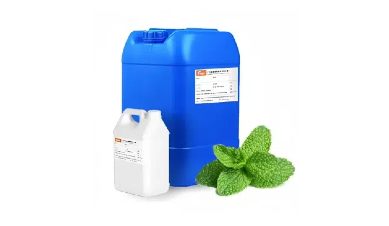
The most suitable fragrance depends on where the floor cleaner will be used and how consumers expect the environment to feel.
For homes, consumers often prefer a fragrance that creates freshness without interfering with food aromas, personal perfumes, or other household products.
Citrus, green, herbal, and light floral scents are versatile options. Lavender and soft woody notes can create a warmer impression in bedrooms and living areas, while lemon and orange are often suitable for kitchens.
Homes with children, pets, or fragrance-sensitive occupants may require a lower fragrance concentration or a fragrance-free alternative.
A restrained fragrance can support a professional atmosphere in offices, shops, hotels, and reception areas. Aquatic, citrus, green tea, or mild aromatic profiles often work well because they feel clean without becoming too personal.
Hotels and retailers may also use a customized fragrance to create a consistent identity across different locations. When visitors repeatedly encounter the same pleasant scent, it can become part of their memory of the brand.
Schools, gyms, transportation facilities, and other public spaces often need fragrances that communicate freshness quickly. Mint, eucalyptus, citrus, and crisp green notes may suit these active environments.
The concentration should still remain controlled because public areas are used by people with different preferences and sensitivities.
Most liquid floor cleaners are water-based, while fragrance oils are generally hydrophobic. The fragrance must therefore be dispersed with the cleaner’s surfactant system or an appropriate solubilizer.
A suitable solubilization system helps maintain a uniform appearance and consistent fragrance. Poor compatibility may result in cloudiness, separation, sediment, viscosity changes, color changes, or uneven scent performance.
Transparent floor cleaners require particularly careful evaluation because even a small compatibility issue can affect product clarity.
Adding more fragrance does not always improve the product. Excessive fragrance may create an overpowering scent, increase production costs, affect formula stability, or introduce additional labeling requirements.
The appropriate dosage should be established by testing the concentrated cleaner and the product at its recommended dilution. The scent should remain recognizable after dilution without becoming overwhelming during use.
Certain surfactants, solvents, preservatives, and other ingredients can contribute noticeable odors to a cleaning formula. A well-designed fragrance can reduce the perception of these base odors and create a cleaner sensory profile.
However, fragrance should not be used to hide degraded raw materials, microbial contamination, or an unstable formula. An unexpected change in odor may indicate a product-quality problem.
A successful floor-cleaner fragrance should reflect the product’s positioning, packaging, target consumers, and market.
A lemon or mint profile may suit a product designed for kitchens or busy family homes. Lavender and soft floral notes may support a comfortable household atmosphere. Pine and herbal scents can communicate traditional cleaning power, while aquatic and green fragrances may support a modern, minimalist image.
Consumer preferences may also vary between markets. Some customers prefer light and natural-smelling fragrances, while others expect a stronger scent that remains noticeable after cleaning.
Customized fragrance development allows manufacturers to adjust:
Fragrance direction
Scent intensity
Freshness and sweetness
Dry-down character
Compatibility with the cleaner
Target-market preferences
Cost and product positioning
This process helps fragrance become a meaningful part of the product rather than an unrelated addition.
A fragrance should be evaluated in the finished floor-cleaner formula under realistic production, storage, and use conditions.
Important evaluation points include:
Fragrance character in the concentrated cleaner
Scent after dilution with water
Aroma released during mopping
Fragrance remaining after the floor dries
Product clarity and separation
Changes in color, pH, or viscosity
Stability under heat, humidity, and light
Packaging compatibility
Surface residue and streaking
Compatibility with intended floor materials
These tests help determine whether the fragrance remains stable and attractive throughout the expected shelf life. They also reveal whether the scent is strong enough after dilution and whether it affects the cleaner’s appearance or performance.
Reffra provides fragrance selection, customized scent development, sample preparation, compatibility evaluation, fragrance-concentration adjustment, and stability assessment for cleaning-product applications. Its fragrance development can be adapted to different product bases, market preferences, and desired scent profiles.
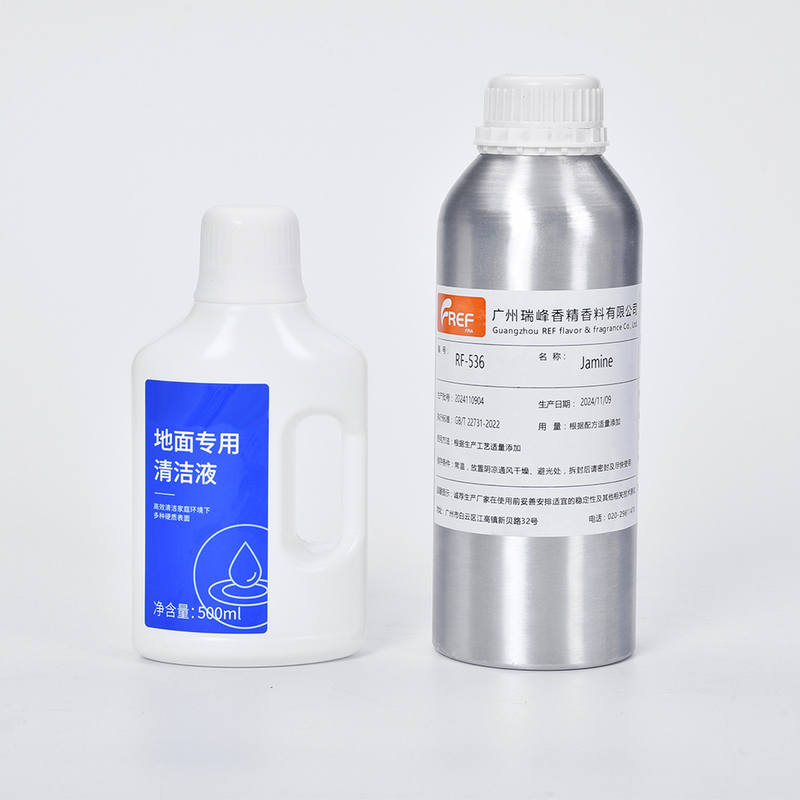
Floor-cleaner fragrance should be selected according to its ingredients, concentration, exposure conditions, application, and target market.
Manufacturers should review relevant regulations, fragrance-allergen requirements, hazard classifications, labeling rules, and current IFRA documentation. The complete floor-cleaner formula should also be tested because fragrance performance and safety cannot be evaluated separately from the finished product.
Claims such as “non-toxic,” “hypoallergenic,” “low-VOC,” or “safe for everyone” should only be used when supported by appropriate evidence.
Fragrance can make a cleaned room feel fresher, but it should not be claimed to disinfect surfaces, purify indoor air, or provide medical benefits unless the finished product has been specifically tested for those purposes.
Products intended for healthcare facilities, schools, eldercare centers, or other sensitive environments may require lower fragrance concentrations or fragrance-free options.
Floor cleaners developed with suitable clean fragrance solutions can improve indoor ambience by reinforcing freshness, reducing the perception of unwanted base odors, and making routine cleaning more pleasant.
The right fragrance depends on the intended environment, product formula, target market, and desired scent intensity. Citrus and green fragrances can create a bright and energetic atmosphere, while lavender, floral, and soft woody notes may make a space feel warmer and more welcoming.
Successful fragrance performance also depends on formula compatibility, proper solubilization, suitable dosage, and realistic application testing. A carefully developed fragrance should remain attractive after dilution and drying without affecting product clarity or leaving unwanted surface residue.
Through fragrance selection, customization, testing, and formula adjustment, Reffra helps cleaning-product brands develop scents that match their technical requirements and market positioning. The right clean product fragrance does more than make a floor cleaner smell pleasant—it helps create an indoor space that feels fresh, comfortable, and well maintained.
