
close
Choose Your Site
Global
Social Media
Views: 0 Author: Site Editor Publish Time: 2026-09-23 Origin: Site


Crafting a premium Aromatherapy Candle presents a distinct technical hurdle. Soy wax possesses a dense, polymorphic molecular structure that notoriously suppresses scent throw compared to traditional paraffin. This inherent characteristic makes fragrance selection the highest-risk variable in your production process. Selecting incompatible oils leads to severe consequences that directly impact product viability. These failures manifest as wasted materials, weak hot throws, severe wick tunneling, and inevitable customer complaints regarding nonexistent scents or harsh chemical undertones during combustion. Formulating a commercial-grade product requires moving far beyond basic scent preference. You cannot simply choose an oil because it smells pleasant in the bottle. Successful integration demands a rigorous evaluation of flash points, solvent compatibility, and the specific chemical binding properties of the oils used. Understanding how these aromatic compounds interact with hydrogenated soybean oil at a molecular level ensures optimal performance, consistent scent release, and a safe burn profile.
Wax-to-Oil Compatibility: Soy wax requires specifically formulated oils with optimal viscosity and solvent bases to bind effectively without weeping, performing vastly differently than paraffin or coconut wax blends.
The Natural vs. Synthetic Trade-off: True essential oils offer authentic therapeutic benefits but suffer from low flash points and poor heat tolerance, often necessitating high-quality synthetic blends for a viable hot throw.
Performance Metrics: Evaluating oils based on International Fragrance Association (IFRA) compliance, flash points, and specific gravity is critical before purchasing in bulk.
Strategic Blending: Creating a standout aromatherapy candle often requires custom blending (combining top, middle, and base notes) to achieve a "natural" feel that mimics pure essential oils while maintaining heat stability.
Testing is Non-Negotiable: Even premium oils require rigorous wick testing and a minimum 14-day cure time to accurately assess performance in soy wax.
Defining what constitutes a successful fragrance integration establishes the baseline for all formulation efforts. A successful pour means the aromatic compounds distribute evenly throughout the entire wax matrix without pooling, separating, or settling at the bottom of the vessel. The final product must deliver a robust cold throw—the scent emitted when the wax is solid and unlit—and an equally impressive hot throw, which is the scent dispersed during active combustion. Achieving this balance requires precise chemical alignment between the wax base and the aromatic additives.
Understanding wax saturation limits is mandatory to prevent catastrophic failures on the production floor. The standard fragrance load for pure soy wax typically sits between 6% and 10%. In practical measurements, this translates to roughly 1 to 1.6 ounces of fragrance per pound of wax. You must always measure these components by weight rather than volume, as different oils possess vastly different densities. Pushing past this saturation limit introduces severe risks. Overloaded wax cannot physically bind the excess oil within its crystalline structure. This leads to syneresis, commonly known as weeping, where raw, flammable oil pools on the candle's surface. Weeping creates significant fire hazards, causes the flame to burn erratically, and frequently drowns the wick entirely.
The relationship between molecular density and scent throw explains why soy is notoriously difficult to scent. Soy wax traps fragrance molecules much more tightly than paraffin or coconut wax blends. Because of this dense, tight crystalline network, oils engineered with specific solvents are required to aid in molecular release during combustion. Solvents act as carriers, helping to lift the aromatic compounds out of the melt pool and into the air. Fragrances formulated strictly for paraffin lack these specific solvents. Consequently, they fail entirely in soy, yielding a finished product that emits virtually no aroma when lit, regardless of how much oil you add to the batch.
To ensure proper binding, makers must follow a strict temperature protocol during the mixing phase. Adding oil when the wax is too cool prevents the molecules from integrating, while adding it when the wax is too hot can burn off delicate aromatic notes. The standard procedure involves heating the soy wax to 185°F, removing it from the heat source, and immediately stirring in the fragrance for a full two minutes to guarantee complete dispersion.
Wax Type | Typical Max Fragrance Load | Binding Characteristics | Scent Throw Potential |
|---|---|---|---|
100% Soy Wax (e.g., 464, 444) | 10% (1.6 oz per lb) | Dense crystalline structure; requires heavy stirring and exact temperature control. | Moderate to Strong (highly dependent on cure time). |
Paraffin Wax | 12% (1.9 oz per lb) | Loose molecular structure; binds easily with minimal effort. | Very Strong (immediate release). |
Coconut Soy Blend | 12% (1.9 oz per lb) | Softer matrix; accepts oils readily but requires careful wick sizing. | Strong (excellent cold and hot throw). |
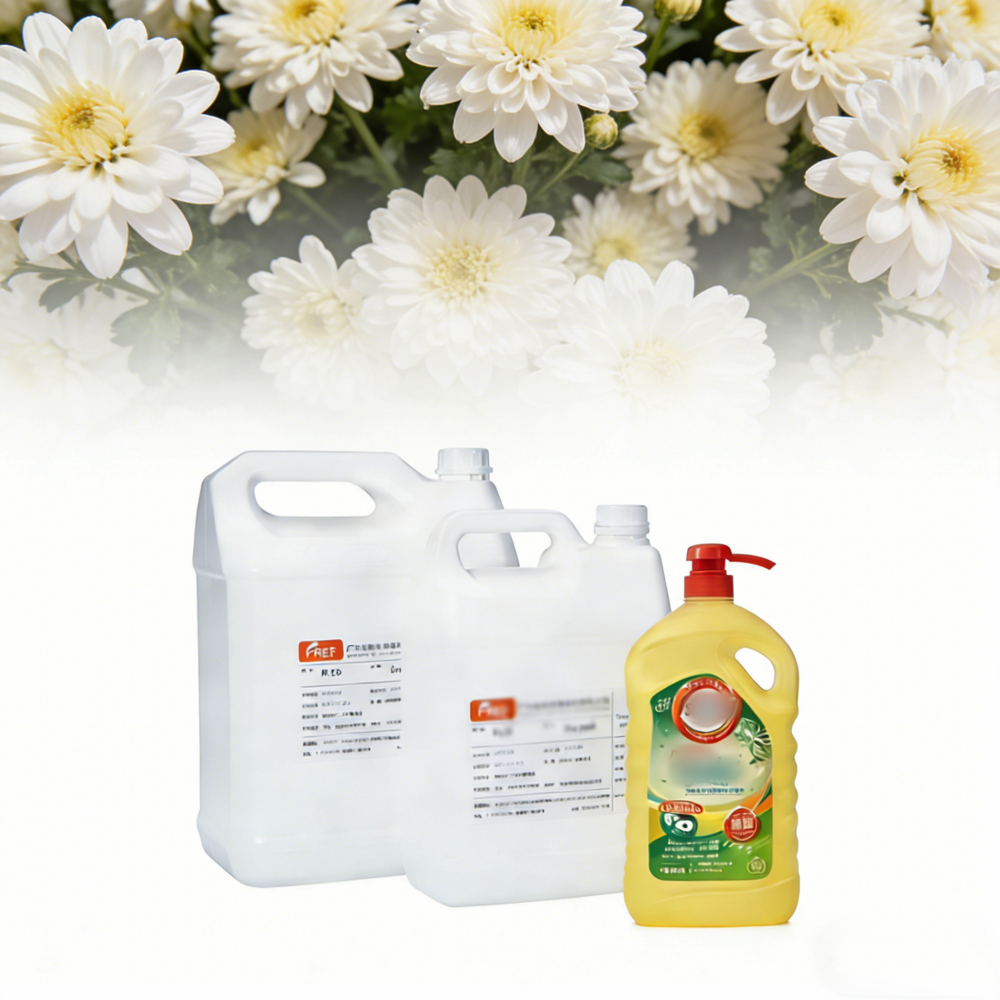
When formulating scents, makers must choose between two primary solution categories: pure botanical extracts and engineered synthetics. Understanding the distinct behavior of these two categories under high heat is essential for developing a stable, high-performing product line.
The dilemma of using 100% pure essential oils is a common pain point in the industry. While consumers heavily demand natural, therapeutic products, pure essential oils present massive functional challenges in candle making. They carry exceptionally high raw material costs and exhibit highly unpredictable burn profiles. More importantly, many essential oils suffer from toxic degradation when exposed to the intense heat of a candle flame, which can reach up to 1,500°F. The delicate botanical compounds break down rapidly, destroying any therapeutic properties and frequently leaving behind a scorched, fuel-like odor that ruins the ambient experience. Furthermore, the organic matter left behind from cold-pressed extraction methods frequently clogs the wick, causing the flame to extinguish prematurely.
Bridging this gap requires utilizing "nature-identical" formulations. Makers frequently struggle to find synthetics that do not smell artificial or cloying. The solution lies in sourcing premium candle fragrance oils designed specifically for vegetable waxes. These lab-created oils mimic natural botanical scents precisely by isolating and reproducing the exact molecular structures found in nature. They offer vastly superior heat stability, project stronger hot throws, and remain entirely phthalate-free while delivering an authentic olfactory experience that satisfies consumer expectations for natural aromas.
You must carefully weigh the conceptual trade-offs between marketing an "all-natural" label and ensuring functional reliability. A candle marketed as 100% natural that produces zero scent throw ultimately fails the end user. Conversely, a carefully formulated synthetic or hybrid blend delivers the expected atmospheric experience consistently. Prioritizing performance and safety through engineered oils often results in a superior product compared to stubbornly relying on unstable botanical extracts.
Heat Stability: Synthetics are engineered to withstand combustion temperatures, whereas essential oils degrade and scorch.
Cost Efficiency: Lab-created oils provide predictable pricing, shielding your margins from the volatile agricultural market of pure botanicals.
Scent Throw: Engineered solvents in synthetics force the scent out of the dense soy matrix, outperforming the weak throw of pure essential oils.
Wick Performance: Filtered synthetics flow cleanly through the wick's capillary system, preventing the carbon buildup common with heavy botanical extracts.
Establishing strict technical criteria for shortlisting suppliers and specific oils prevents costly formulation errors. You must evaluate potential additives across several technical dimensions before integrating them into your production workflow. Relying solely on a supplier's scent description is a guaranteed path to inconsistent batches.
Flash points and mixing temperatures dictate the exact parameters of your pouring process. The flash point is the temperature at which an oil's volatile compounds begin to vaporize. For optimal binding in soy wax, adding fragrance at 185°F is standard practice. This specific temperature ensures the wax matrix is fully expanded and ready to accept the oil. However, if you use an oil with a very low flash point—such as a sweet orange essential oil flashing at 115°F—and add it at 185°F, the delicate top notes will burn off into the air before the mixture is even poured into the vessel. Understanding this relationship allows you to adjust pouring temperatures slightly to accommodate volatile citrus or mint profiles without sacrificing the structural bind.
Carrier oils and solvent compatibility drastically impact the final burn. Many fragrance blends utilize carrier oils to dilute highly concentrated aromatic compounds. Heavy carriers, such as coconut oil or certain dense vegetable oils, can severely suppress the strength of the fragrance during burning. Furthermore, these heavy carriers alter the wax's overall melt point and increase the viscosity of the melt pool. A highly viscous melt pool leads to sluggish capillary action in the wick, resulting in poor hot throw performance and potential tunneling.
Specific gravity is another vital metric that makers frequently overlook. Specific gravity measures the density of the oil compared to water. An oil with a specific gravity of 1.12 is significantly heavier than an oil with a specific gravity of 0.85. Heavy oils, like vanilla or amber, tend to sink to the bottom of the mixing pitcher if not stirred aggressively. They also require you to size up your wick to generate enough heat to pull the dense liquid up for combustion.
Safety and compliance must remain at the forefront of your sourcing strategy. Always demand clear, up-to-date IFRA (International Fragrance Association) certificates from your suppliers. Focus specifically on verifying the safe usage levels for Category 12, which strictly governs candle manufacturing. Additionally, verify all phthalate-free and paraben-free claims. Ensuring the chosen soy candle fragrance oil meets modern consumer safety expectations protects your brand reputation and prevents potential liability issues.
Evaluation Metric | Ideal Standard for Soy Wax | Impact on Final Product |
|---|---|---|
Flash Point | > 150°F (Ideal > 185°F) | Determines mixing temperature; prevents volatile top notes from burning off during production. |
Specific Gravity | 0.900 - 1.100 | Affects the volume-to-weight ratio; heavier oils require larger wicks to maintain capillary action. |
IFRA Category 12 | Approved up to 100% | Ensures the oil is legally and chemically safe for combustion in candle applications. |
Phthalate Status | 100% Phthalate-Free | Meets modern clean-burning standards and prevents the release of harmful endocrine disruptors. |
Mapping specific fragrance families to their typical performance realities in soy wax allows you to formulate with precision. Different molecular weights evaporate at different rates, directly influencing how a scent behaves in a specific room environment. Understanding these evaporation curves helps you build a balanced product line.
Woody and earthy profiles excel in vegetable waxes. Heavier base notes possess larger molecular structures that bind exceptionally well with the dense crystalline matrix of soy. Formulating a cedar candle fragrance, rich sandalwood, or deep patchouli blend yields high heat tolerance and excellent hot throw retention. These profiles are highly suitable for calming bedroom environments because they release steadily and smoothly over hours of burning without overwhelming the space or causing olfactory fatigue. The heavy molecules anchor the scent, ensuring the candle smells just as strong on the final burn as it did on the first light.
Citrus and fresh profiles present unique volatility challenges. Top-heavy scents like lemon, bergamot, and sweet orange have very low molecular weights and correspondingly low flash points. They tend to burn off rapidly, leaving the candle scentless halfway through its lifespan. To mitigate this volatility, you must anchor bright citrus notes with heavier herbaceous or woody bases. Blending a sharp lemon with grounding basil or deep eucalyptus stabilizes the overall scent throw, slowing the evaporation rate of the top notes and ensuring a consistent aroma from the top of the jar to the bottom.
Crafting complex and high-end profiles requires deliberate custom blending. Engineering a true luxury candle fragrance oil demands multi-layered composition. These premium oils are designed to release sequentially as the wax pool melts—bright top notes hit the nose first, followed by floral or spicy middle notes, and finally anchored by lingering base notes. Actionable blending frameworks elevate standard profiles into premium offerings.
Establish the Base (30%): Start with heavy, resinous notes like amber, vanilla, or cedarwood to provide a lasting foundation.
Build the Heart (50%): Add middle notes such as jasmine, lavender, or black pepper to define the core character of the candle.
Add the Top Notes (20%): Finish with volatile, bright notes like bergamot, grapefruit, or sea salt to create an immediate initial impact.
Test the Bind: Mix the custom blend thoroughly before adding it to the wax, ensuring the different specific gravities homogenize completely.
Scaling production without mandatory quality assurance steps guarantees inconsistent batches and wasted capital. Implementing strict testing protocols mitigates the inherent risks of working with polymorphic vegetable waxes. You cannot assume a fragrance that works perfectly in one wax brand will perform identically in another.
The curing process is absolutely non-negotiable. Emphasize the strict requirement for a one- to two-week curing period before evaluating any new formulation. Curing is not merely a drying phase; it is a complex chemical process where the hydrogenated soybean oil crystallizes and physically locks the fragrance molecules into its structure. Burning a candle prematurely bypasses this crystallization, leading to false-negative hot throw evaluations. Makers often react to these false negatives by unnecessarily increasing their fragrance load, which subsequently causes weeping and severe fire hazards.
Wick clogging and burn testing require meticulous documentation. Different oils alter the viscosity and specific gravity of the melt pool. Dense, heavy oils thicken the liquid wax, requiring significantly more capillary force to draw the fuel up the wick for combustion. You must test multiple wick sizes and series simultaneously. For example, comparing the flat-braided CD series against the coreless ECO series helps identify which wick structure prevents carbon buildup. Failing to calibrate the wick to the specific density of the fragrance oil results in severe mushrooming, excessive soot production, or drowned wicks that extinguish themselves.
Conducting a standardized burn test ensures your product meets safety regulations before hitting the market. Follow a strict protocol to evaluate the performance of your newly scented soy wax.
Trim the wick to exactly 1/4 inch before the initial lighting.
Burn the candle for exactly four hours to evaluate the maximum melt pool diameter.
Observe the flame height; it should remain steady between 0.5 and 1 inch without flickering excessively.
Extinguish the flame and allow the wax to cool completely before relighting, checking for any soot accumulation on the glass.
Evaluate the hot throw during the third hour of the burn, noting if the scent fills the intended room size adequately.
Purchase 1 oz sample bottles of targeted fragrance oils to conduct controlled burn tests before committing to bulk supplier orders.
Calibrate wick sizes for each specific fragrance profile, testing at least two different wick series to ensure a clean, soot-free burn.
Document the specific gravity and flash point of every new oil to establish standardized pouring temperatures and accurate weight-based measurements.
Implement a mandatory 14-day curing protocol for all soy wax test batches to accurately evaluate the final hot throw performance.
A: Most pure soy waxes hold a maximum fragrance load of 10%, which equals roughly 1.6 ounces of oil per pound of wax. Exceeding this limit causes the wax matrix to expel the excess oil, leading to surface weeping, poor combustion, and severe fire hazards.
A: A weak hot throw usually results from insufficient curing time, pouring the oil at an incorrect temperature, or using a fragrance formulated for paraffin. Soy wax requires a minimum 14-day cure to fully bind with the oil and release scent effectively during combustion.
A: While possible, straight essential oils possess low flash points and degrade rapidly under the intense heat of a candle flame. This degradation often destroys therapeutic properties, resulting in a scorched, fuel-like odor and an exceptionally weak scent throw.
A: For optimal binding in most soy waxes, add the fragrance oil at 185°F. This specific temperature ensures the wax matrix is fully expanded, allowing the oil to integrate evenly without prematurely burning off the volatile top notes.
A: Soy candles require a strict curing period of one to two weeks. This timeframe allows the polymorphic wax to properly crystallize and lock the fragrance molecules into its structure, which is essential for achieving a robust and consistent hot throw.
A: Yes. Heavy carrier oils, such as coconut or dense vegetable oils, increase the viscosity of the melt pool. This added density can suppress the scent throw, alter the wax's melting point, and cause the wick to clog or drown.
A: Start by combining top, middle, and base notes using a standard framework: 20% top notes (like citrus), 50% middle notes (like florals), and 30% base notes (like woods or amber). Always test these ratios in small batches to evaluate heat stability.
